Santo Domingo Redoubt
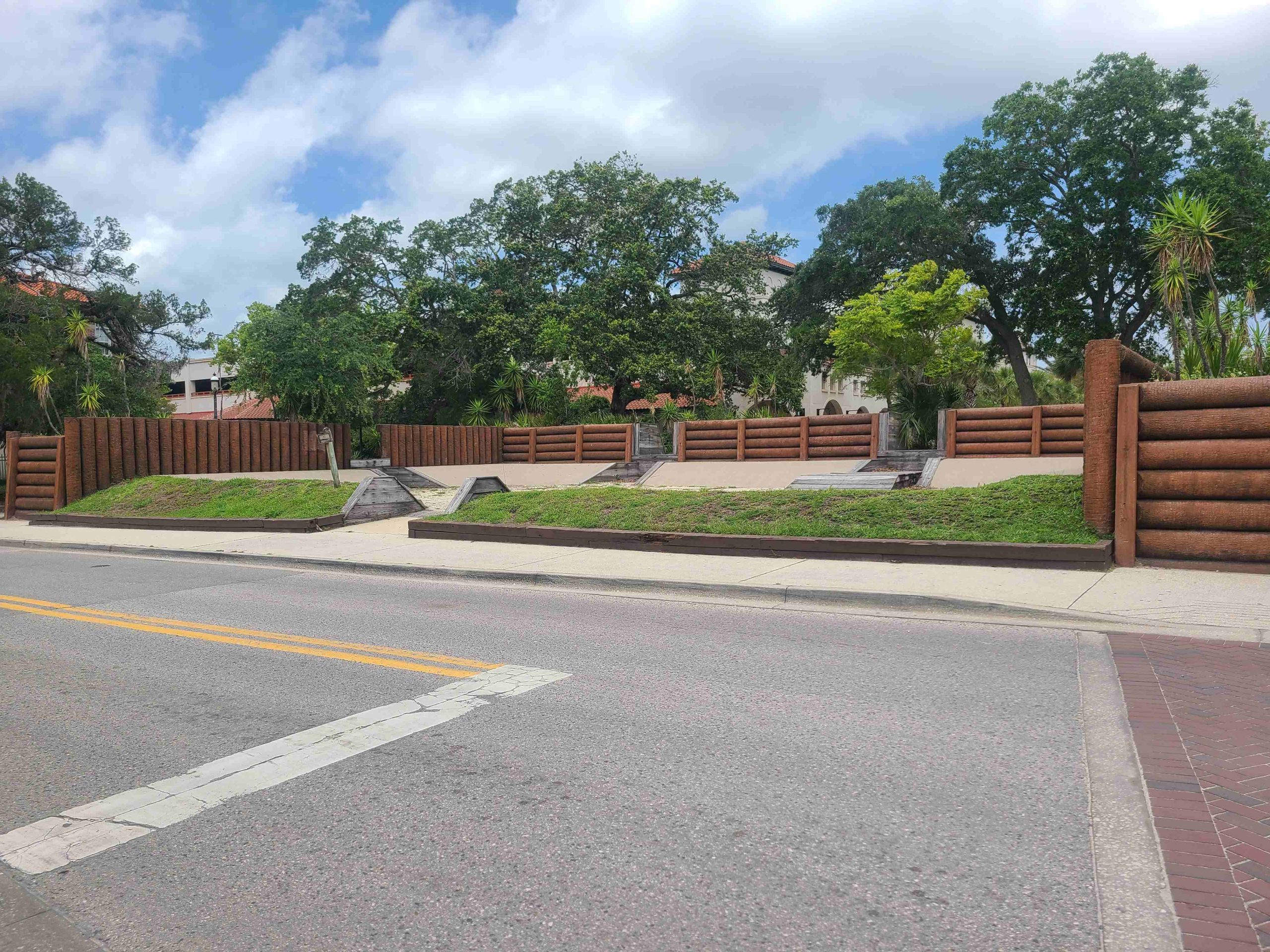
Amidst the historic streets and structures of St. Augustine, Florida, stands an unassuming, but significant monument to the city’s past: the Santo Domingo Redoubt. Built during the second Spanish period in the late 18th century, this modest fortification served as a critical part of St. Augustine’s defensive system. Though less famous than other historic sites in the area, like the towering Castillo de San Marcos, the Santo Domingo Redoubt has its own story to tell. This compact yet resilient structure embodies the strategic ingenuity of Spain’s colonial efforts in North America and serves as a lasting symbol of St. Augustine’s complex colonial history.
Fortifying the Landward Side The Santo Domingo Redoubt and Its Role in St. Augustine’s Defense
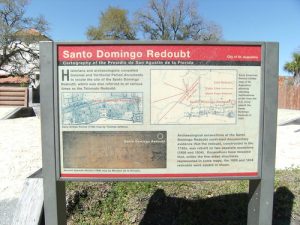 The Santo Domingo Redoubt was part of a larger defensive line built to protect St. Augustine from both foreign powers and Native American tribes. The redoubt was constructed between 1737 and 1740 as one of four outposts linked by an earthwork known as the Cubo Line. This defensive barrier stretched from the Castillo de San Marcos along the northern side of the city. Each redoubt was designed to provide an additional layer of protection for St. Augustine’s vulnerable landward side, which lacked natural defenses.
By the 19th century, St. Augustine had transitioned into a quieter town, far removed from its days as a strategic military outpost. The redoubt, along with other elements of the Cubo Line, faded into the background of the city’s urban landscape. In the centuries that followed, the remnants of the redoubt became obscured by the city’s growth and modernization.
The 20th-Century Preservation of the Santo Domingo Redoubt in St. Augustine
In the 20th century, as interest in the preservation of St. Augustine’s rich colonial history grew, efforts were made to restore and protect the city’s historic landmarks. The Santo Domingo Redoubt was included in these preservation initiatives. Archaeological excavations uncovered the remains of the redoubt’s coquina walls, and historians worked to piece together the structure’s significance within the broader context of the city’s defenses.
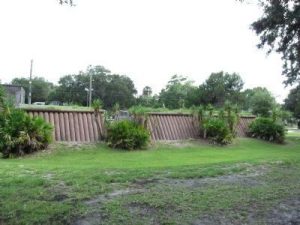 Today, the Santo Domingo Redoubt stands as a restored monument to the city’s colonial past. While smaller and less conspicuous than other historic sites in St. Augustine, it is a crucial reminder of the city’s military history and the complex interplay of European powers in Florida during the 18th century.
Visitors to the redoubt can explore this relatively modest structure and learn about its role in protecting the city during one of the most tumultuous periods in St. Augustine’s history. The redoubt serves as a physical link to the past, offering insights into the lives of the soldiers who once stood guard over this critical outpost.
The Santo Domingo Redoubt, though humble in appearance, is a monument of great historical significance. It represents the strategic foresight of Spain’s colonial planners and the resilience of St. Augustine’s defenders in the face of repeated threats from rival colonial powers. As a restored historical site, it serves as a tangible reminder of the city’s rich and complex past, offering visitors a glimpse into the world of 18th-century Florida. Though the redoubt may no longer serve its original defensive purpose, it continues to stand as a sentinel of St. Augustine’s enduring legacy as one of the oldest and most storied cities in North America.