
Historical places
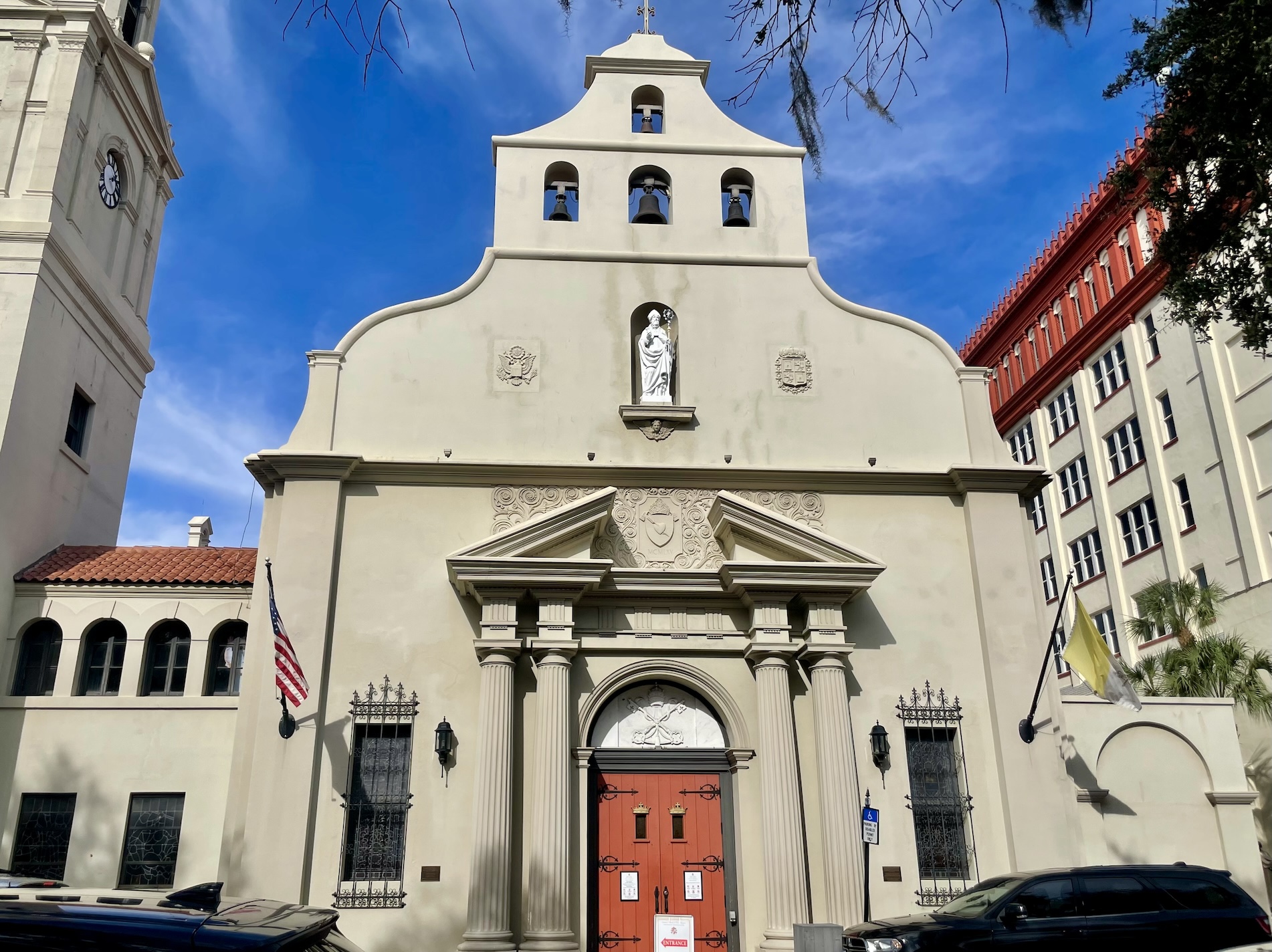
Wandering through the historic streets of St. Augustine, I stumbled upon the Cathedral Basilica of St. Augustine, an architectural marvel that quickly captured my heart. As a visitor to America’s oldest city, this cathedral offered not just…

In the heart of St. Augustine stands Memorial Presbyterian Church, a striking example of architectural beauty and historical significance. Built in 1889 by Henry Flagler, the church was a tribute to his late daughter, Jennie Louise Benedict,…
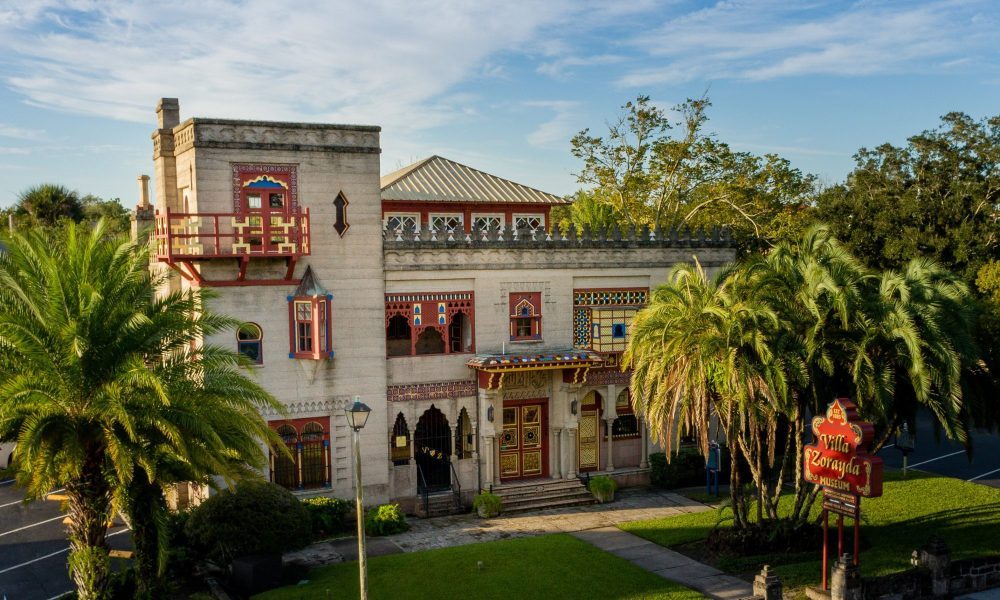
Nestled in the historic heart of St. Augustine, Florida, the Villa Zorayda Museum stands as a testament to eclectic architectural design and a rich cultural heritage. This captivating museum, housed in an opulent building inspired by the…
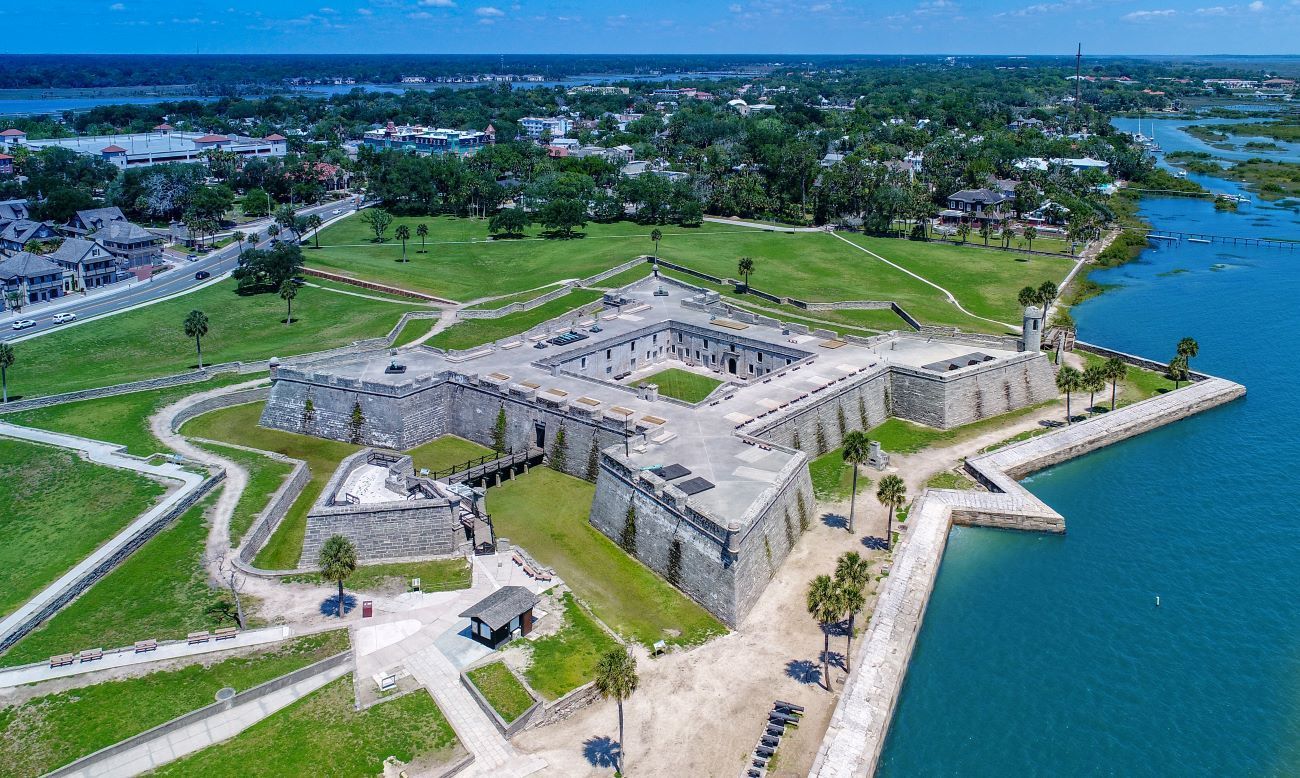
Walking into the Castillo de San Marcos Admission Center feels like stepping into a living history book. As a visitor, you are immediately enveloped in the rich narrative of one of America’s most enduring historic sites. The…
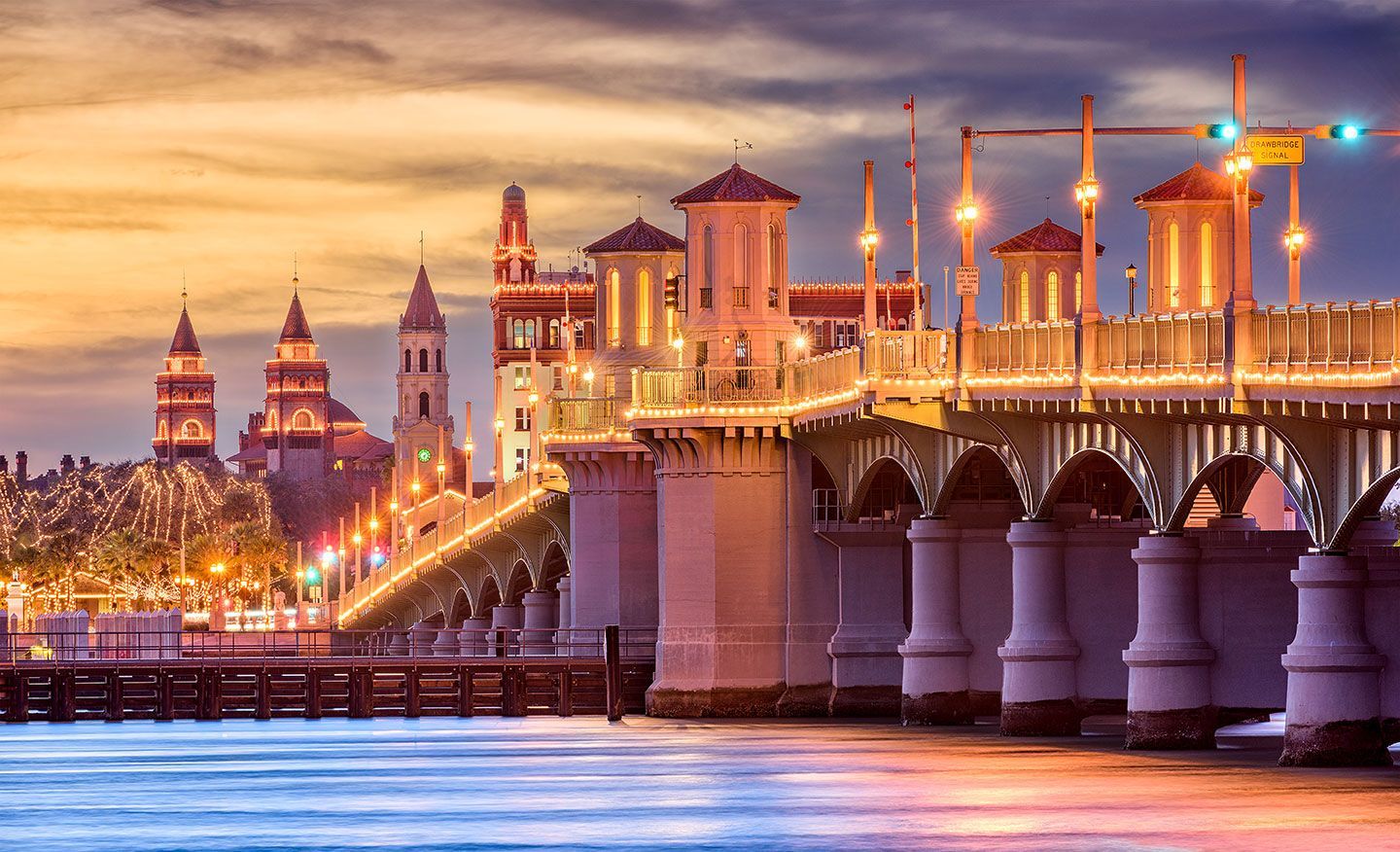
As I approached the St. Augustine Marina, the charm of this historic coastal town truly came to life. The marina, located right in the heart of St. Augustine, is more than just a docking area for boats—it’s…

Walking through the Colonial Quarter in St. Augustine felt like stepping back in time. As soon as I entered this meticulously recreated historic district, I was transported to a world where Spanish soldiers, settlers, and craftsmen went…
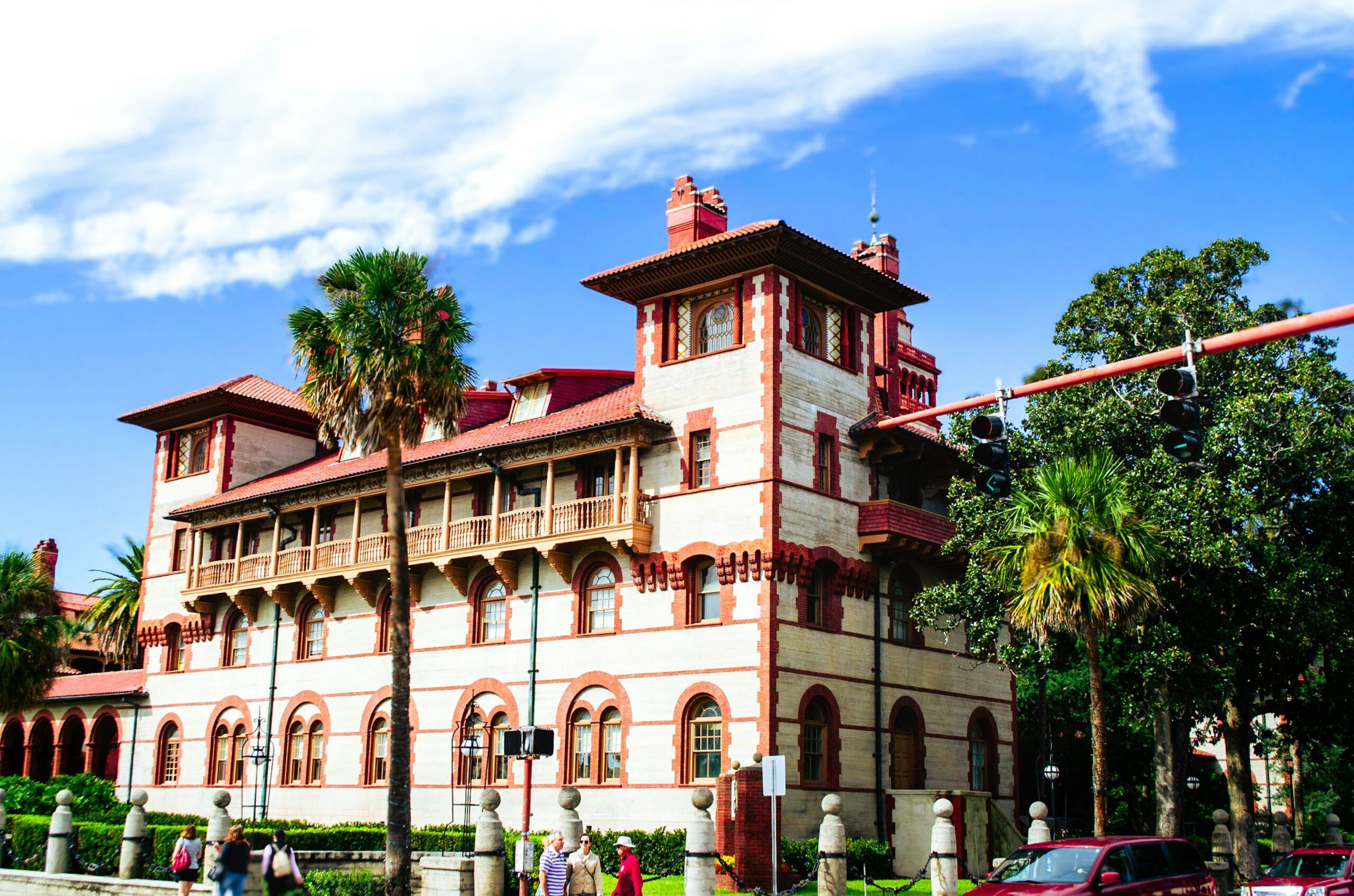
Visiting the St. Augustine Historic District was like walking through a living museum. From the moment I stepped into the heart of the city, I was captivated by its old-world charm, where centuries of history are woven…
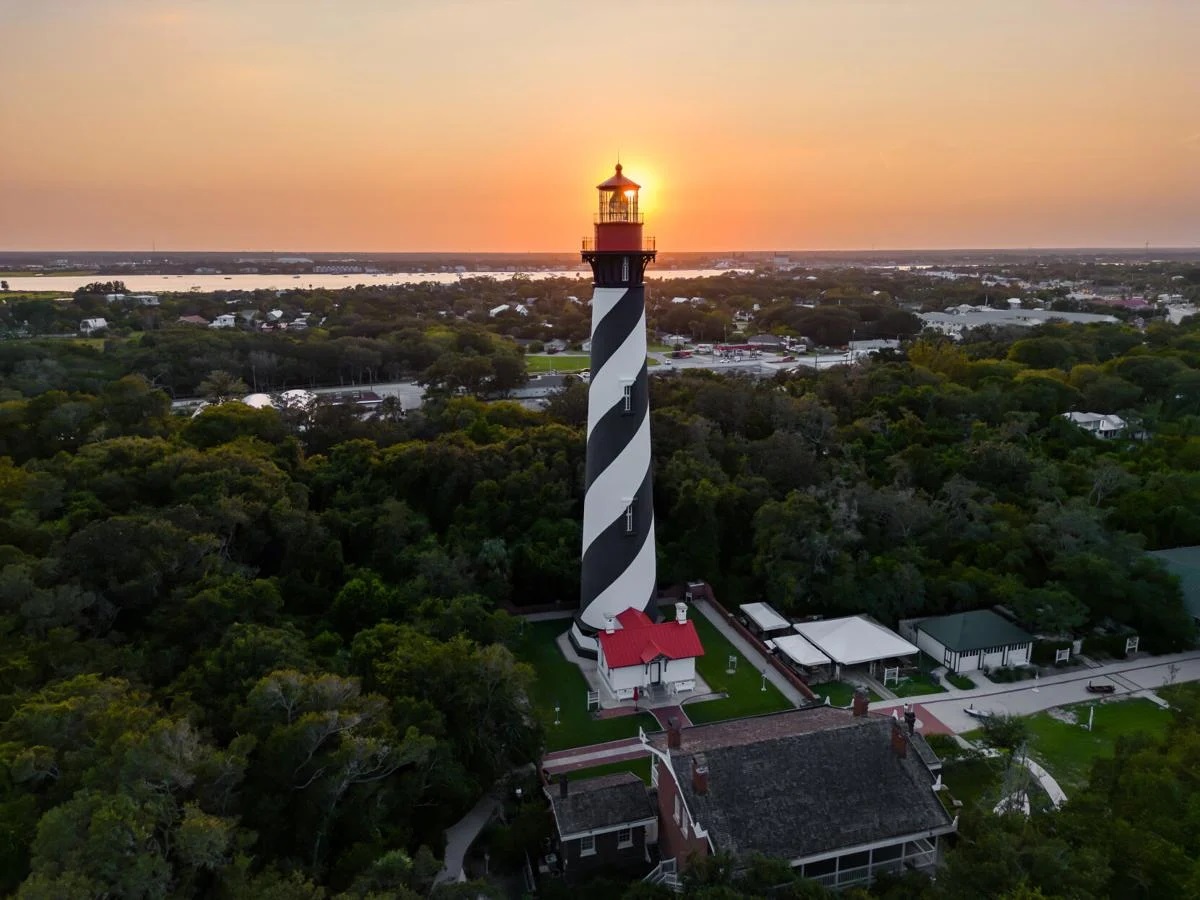
Visiting the St. Augustine Lighthouse was one of the highlights of my trip to the nation’s oldest city. As soon as I caught sight of its towering black and white spirals rising above the trees, I knew…

St. Augustine’s castles are a testament to the city’s rich history and strategic significance. The most notable of these is the Castillo de San Marcos, a formidable stone fortress that has guarded the coastline for over 300…
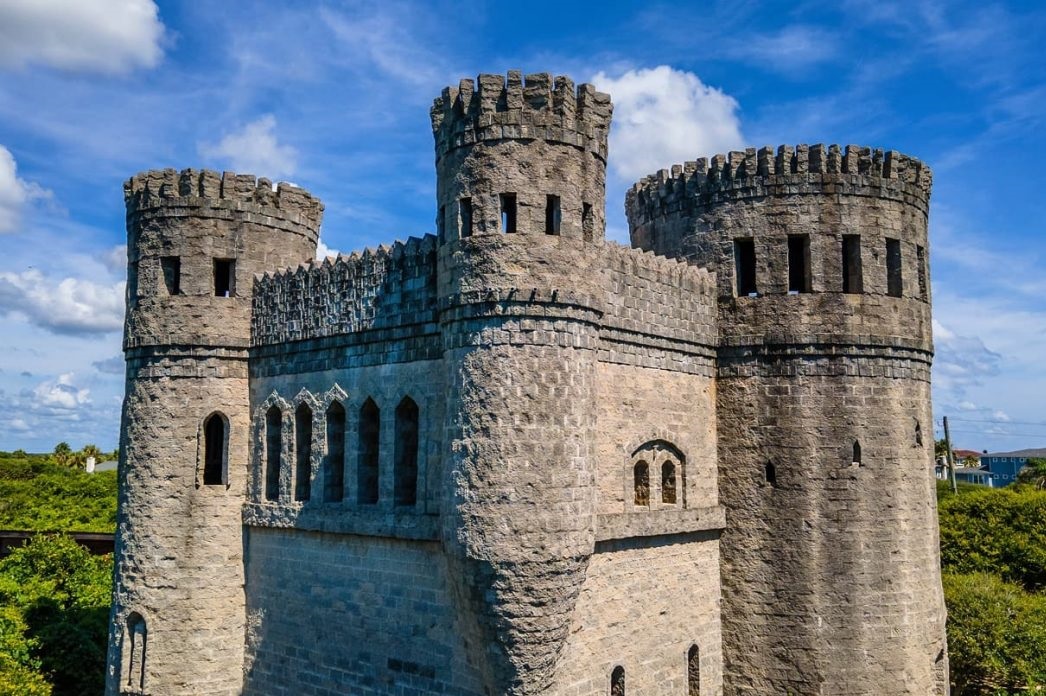
A Medieval-Style Castle in the Heart of Florida In the historic coastal city of St. Augustine, Florida, where centuries-old architecture meets the Atlantic breeze, stands a mysterious and majestic structure: Castle Otttis. This spiritual and artistic landmark…
St. Augustine Historic Places
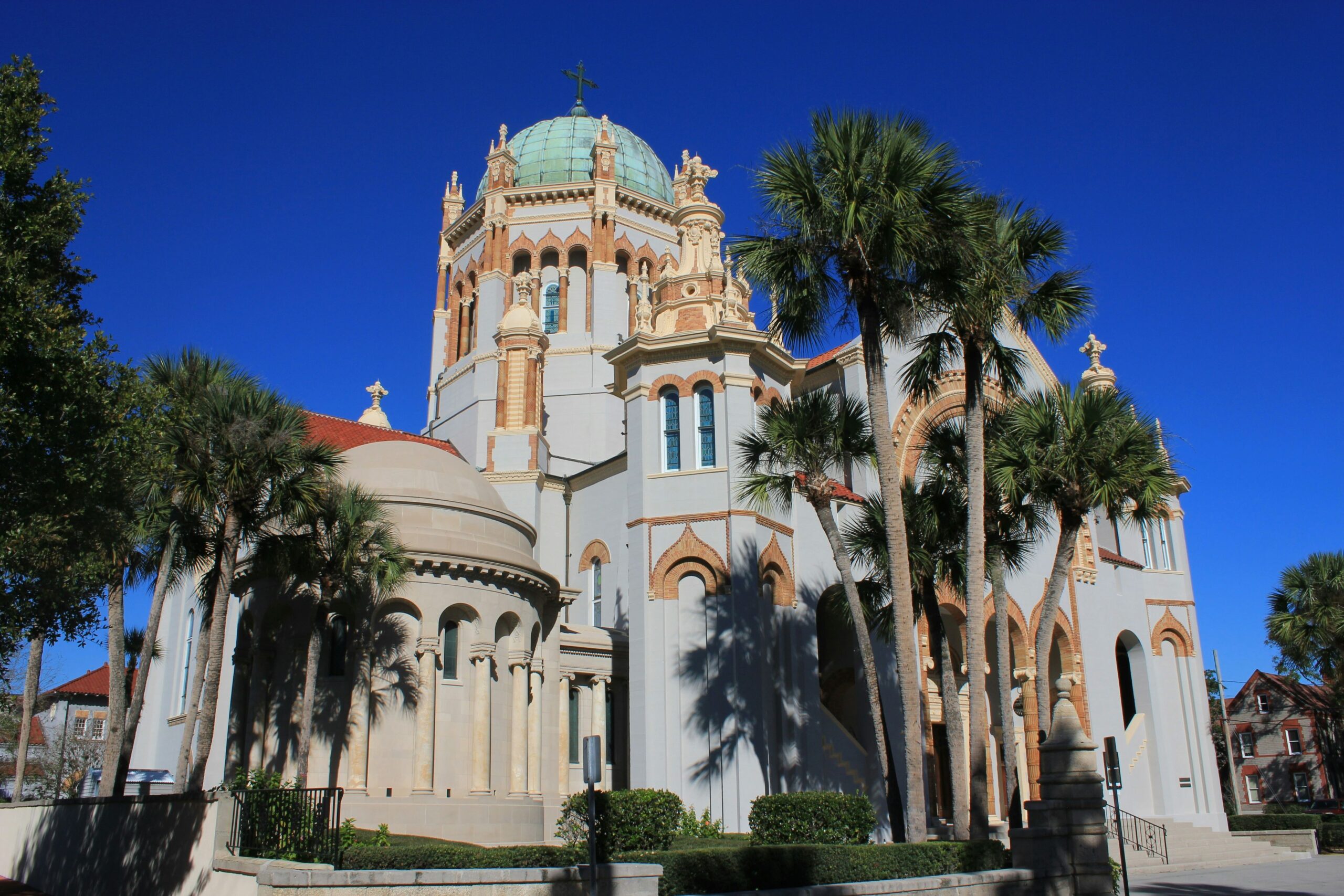
St. Augustine, Florida, stands as a living testament to centuries of history, offering an array of historic places that transport visitors to different eras. As the oldest continuously inhabited European-established city in the United States, founded in 1565 by Spanish explorer Pedro Menéndez de Avilés, St. Augustine is rich in architectural marvels, ancient landmarks, and stories of conquest, survival, and resilience. Whether you’re a history buff or a casual traveler, the historic sites in St. Augustine offer an unforgettable glimpse into America’s past.
One of the city’s most iconic landmarks is the Castillo de San Marcos, a formidable Spanish fort built in 1672. Made from coquina, a rare shell-based stone, this national monument was key to the defense of the Spanish colony and today stands as a well-preserved symbol of European colonization in the Americas. Visitors can walk through the fort’s bastions and dungeons, witnessing centuries-old cannons and learning about the sieges that shaped its history.
The Colonial Quarter offers an interactive experience of life in the 16th, 17th, and 18th centuries. Here, you can explore the town’s reconstructed colonial homes, watch blacksmiths in action, and even climb a 35-foot watchtower for views of the Matanzas River.
Another must-see is the Fountain of Youth Archaeological Park, located where Ponce de León is believed to have landed in 1513. This historic site is part legend, part history, offering a fascinating blend of mythology and archaeological significance. Visitors can drink from the famed waters and explore exhibits that showcase the region’s Native American and colonial history.
The Cathedral Basilica of St. Augustine, the oldest parish in the U.S., is an architectural gem. With its Spanish Renaissance style and intricate stained glass windows, it’s not only a place of worship but also a cultural and historical landmark. Another significant religious site is Mission Nombre de Dios, the first mission in the continental U.S. Established in 1565, the mission includes the towering Great Cross and the Shrine of Our Lady of La Leche, making it a tranquil and sacred stop for visitors.
For a taste of St. Augustine’s Gilded Age, the Lightner Museum and the Flagler College campus are must-visit locations. The Lightner Museum, housed in the former Alcazar Hotel, features stunning collections of fine art, decorative pieces, and antiques. Meanwhile, Flagler College, formerly the grand Ponce de León Hotel, boasts exquisite Spanish Renaissance architecture, stained glass windows by Louis Comfort Tiffany, and a fascinating history tied to railroad magnate Henry Flagler.
St. Augustine’s historic places offer a unique blend of Spanish, British, and American influences, all within a city that has retained its old-world charm. Whether you’re exploring the grand forts, colonial buildings, or sacred churches, every corner of St. Augustine tells a story that connects visitors with the earliest chapters of American history. With its cobblestone streets, centuries-old structures, and preserved heritage, St. Augustine remains one of the most historically significant and picturesque destinations in the United States.