National Shrine of Our Lady of La Leche
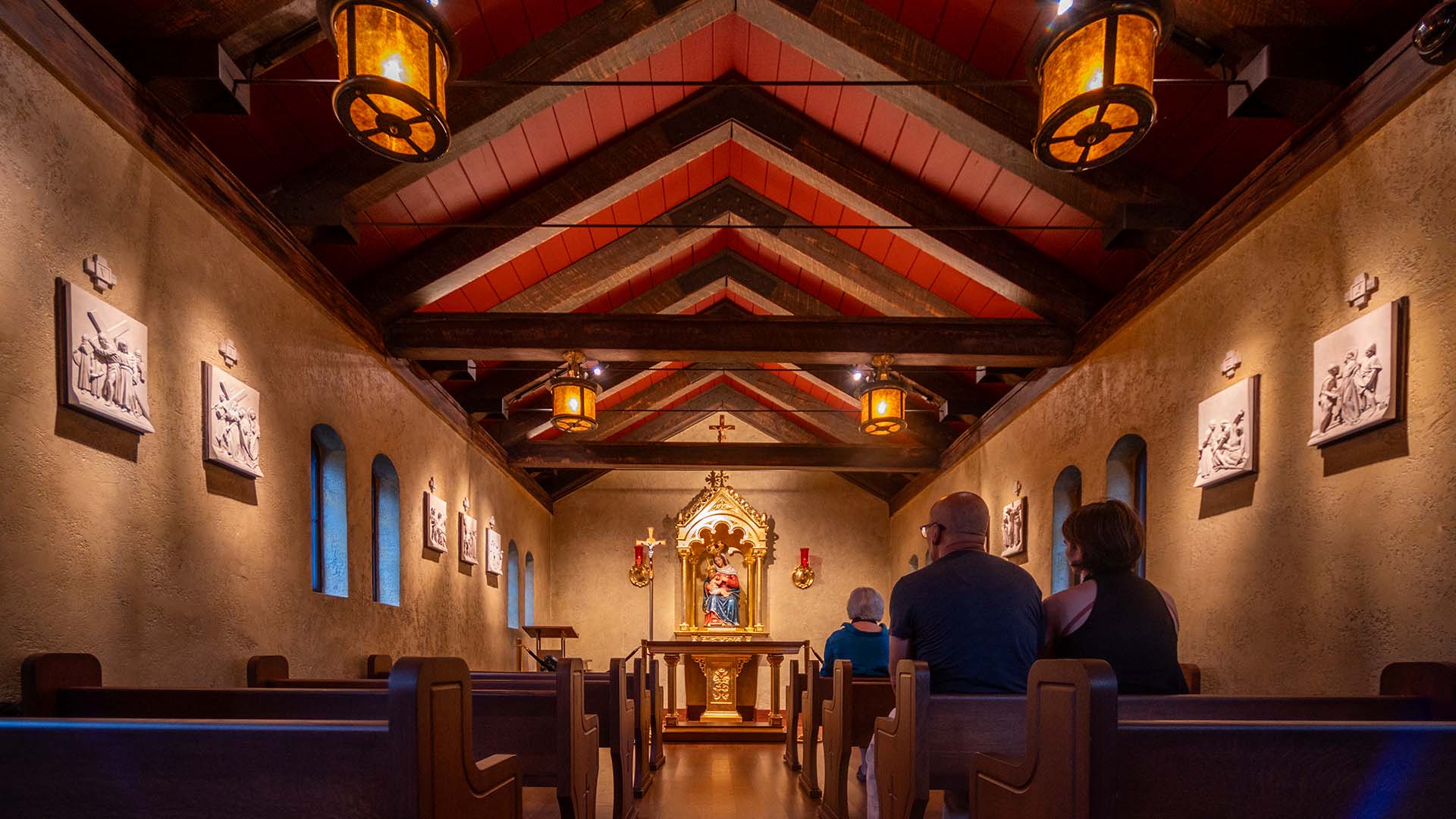
Visiting the National Shrine of Our Lady of La Leche in St. Augustine was an experience that left me both moved and in awe. I had heard about the shrine’s significance as one of the oldest Catholic pilgrimage sites in the United States, but standing on its sacred grounds, I truly felt the weight of its history and spiritual importance. As I walked towards the chapel, nestled amid the lush and peaceful grounds of the Mission Nombre de Dios, I could immediately sense the tranquility that surrounds this place.
St. Augustine The Intimacy of Our Lady of La Leche Chapel
The chapel itself, though small and modest, is filled with a warmth that radiates from every corner. It felt welcoming in a way that larger, more imposing churches sometimes do not. The simplicity of the architecture, combined with the soft light filtering through the windows, gave the chapel an intimate atmosphere that invited quiet reflection. Inside, the statue of Our Lady of La Leche, holding the infant Jesus, is the focal point. Her gentle expression and tender pose spoke volumes about motherhood, love, and hope. It wasn’t difficult to see why so many people, especially mothers, have come here over the centuries to pray for fertility, safe childbirth, and healthy children.
I sat for a moment in one of the wooden pews, watching others who had come to visit. Some were deep in prayer, while others sat quietly, taking in the peaceful ambiance. It was touching to see that this shrine, though ancient, still holds deep meaning for people today. Many had left prayer requests and offerings at the foot of the statue, a testament to the ongoing devotion that Our Lady of La Leche inspires.
St. Augustine A Walk Through History at the Mission Nombre de Dios
The grounds surrounding the chapel were equally serene. As I wandered the paths, I found myself drawn to the nearby cemetery, where some of the first Spanish settlers were buried. Walking among the old gravestones, I couldn’t help but think of the long history of faith and endurance that this site represents. It was humbling to realize that for over 400 years, people have been coming to this exact spot, carrying their hopes, fears, and prayers. It’s a connection to the past that’s rare to find in the United States, and I felt fortunate to experience it firsthand.
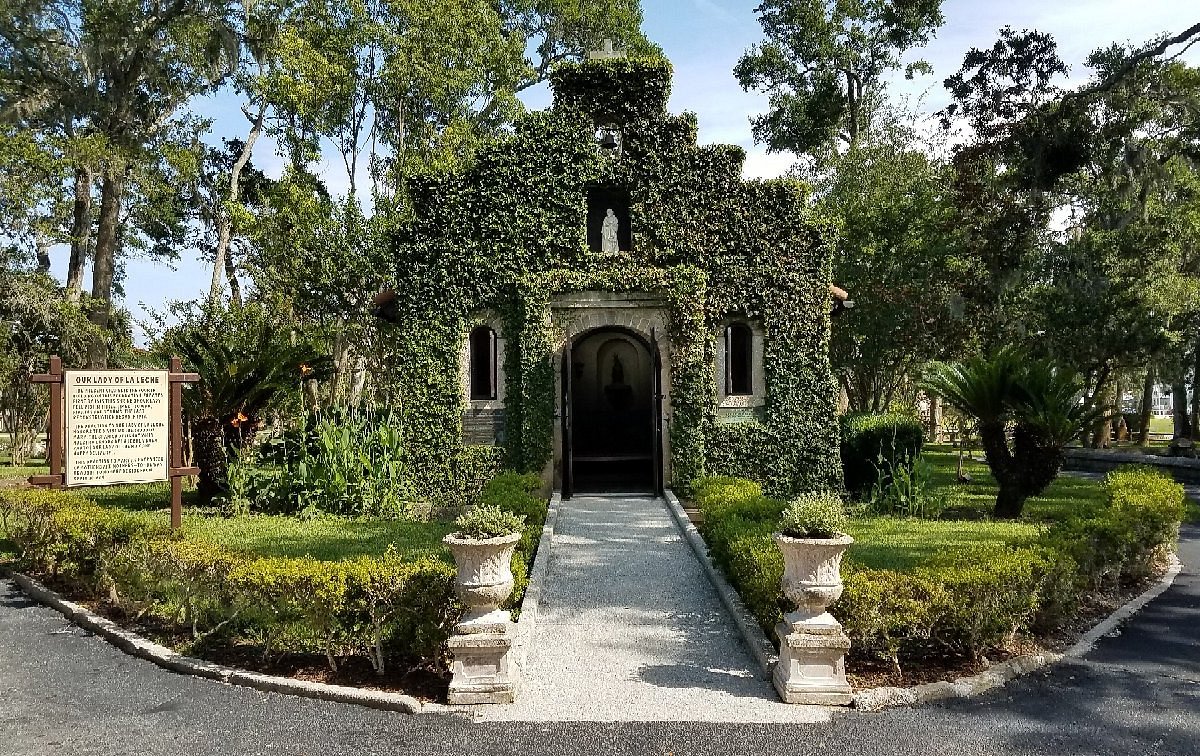
One of the highlights of my visit was the rustic stone altar located on the mission grounds, overlooking the water. This outdoor area is where many significant Masses have been celebrated, including the commemoration of the first Catholic Mass in the U.S. by Spanish explorers in 1565. Standing there, with the view of the Matanzas River in the distance, I felt a deep sense of history blending with the natural beauty of the area. It was easy to imagine the early settlers arriving by ship, full of hope and faith, to build a new life in this distant land.
What struck me most about the National Shrine of Our Lady of La Leche was how personal the experience felt. Even though the site holds great historical and religious importance, it didn’t feel overwhelming or grand in the way many other pilgrimage sites do. Instead, it felt intimate, like a place where anyone could come to find peace, solace, or simply a moment of quiet reflection. It’s a sacred space that invites you to slow down, to step away from the bustle of everyday life, and to connect with something deeper.
As I left the shrine, I carried with me a profound sense of calm and gratitude. The visit had been more than just a stop on a tourist itinerary; it was a chance to pause and reflect on the power of faith, community, and the endurance of traditions that have spanned centuries. I knew that, like many others before me, I would remember this visit for a long time to come. The National Shrine of Our Lady of La Leche is not just a historical landmark; it’s a place where the past, present, and future come together in quiet reverence.