Historic Public Market
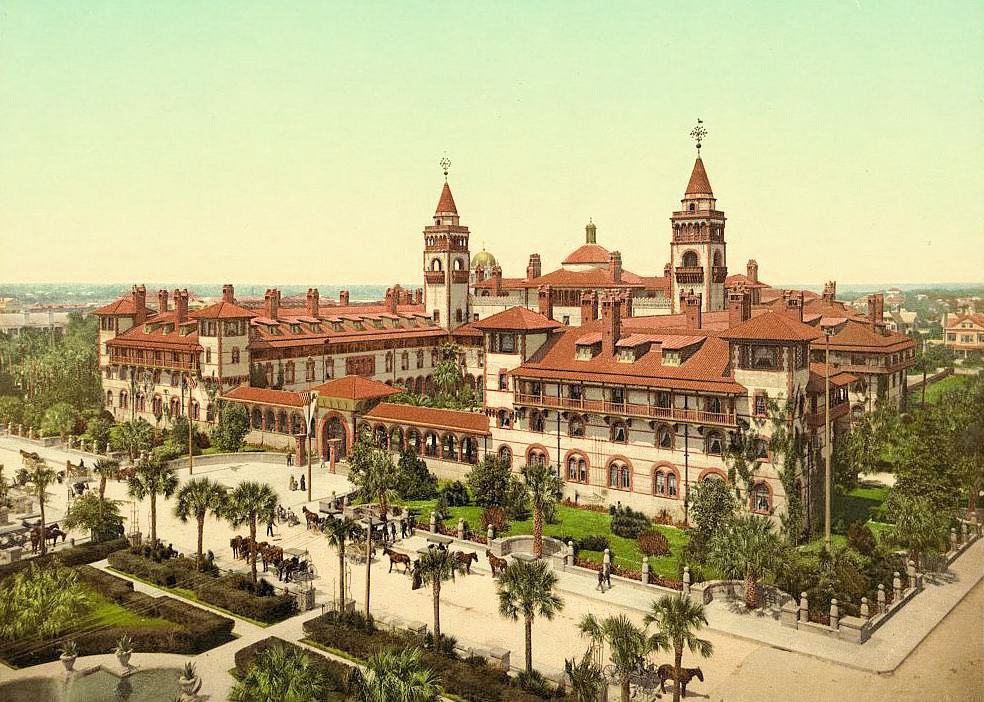
During my recent visit to St. Augustine, I had the pleasure of exploring its rich history through the city’s historic markers. These markers are more than just informational plaques; they serve as windows into the past, offering a unique perspective on the significant events and figures that have shaped this oldest city in the United States.
St. Augustine Exploring the Stories Behind Historical Markers
As I wandered through the charming streets of St. Augustine, each historical marker provided an insightful narrative about a specific location or event. These markers are strategically placed at key sites, from the bustling town square to serene residential areas, each telling its own story. For instance, one marker detailed the origins of St. Augustine’s early colonial settlements, shedding light on the city’s role as a strategic outpost during Spanish rule.
What struck me most was how these markers connect visitors with the city’s layered history. Each plaque is meticulously designed to convey historical information in a concise and engaging manner. They feature a blend of text and historical imagery, providing a rich context that enhances the overall experience of exploring St. Augustine. As a tourist, it’s fascinating to read about how these locations played crucial roles in shaping not only the city but also the broader historical landscape of Florida.
St. Augustine Commemorating Pivotal Battles Through Historical Markers
One particularly memorable marker I encountered commemorated a pivotal battle fought in the area. The plaque described the strategic importance of St. Augustine and detailed the conflict’s impact on the city’s development. Standing at this marker, I could almost envision the historical events unfolding, which deepened my appreciation for the city’s role in American history.

The historical markers also serve as educational tools, offering insights into various aspects of life in St. Augustine throughout different periods. From architectural achievements to social and cultural milestones, these markers provide a comprehensive view of the city’s evolution. They also highlight the contributions of notable figures who have influenced the city’s trajectory, giving visitors a sense of connection to the people who helped shape its character.
Moreover, the markers are a testament to St. Augustine’s commitment to preserving its history. By maintaining and updating these markers, the city ensures that its rich heritage remains accessible and engaging for future generations. As I walked through St. Augustine, it was evident that these markers are not just relics of the past but active elements in the city’s living history.
In summary, exploring the historical markers in St. Augustine offers a fascinating and educational experience. Each marker tells a story that adds depth to the city’s historical tapestry, making it a compelling destination for anyone interested in learning about the past. For visitors and history enthusiasts alike, these markers provide a meaningful way to engage with St. Augustine’s heritage and gain a deeper understanding of its significance.