Henry Flagler
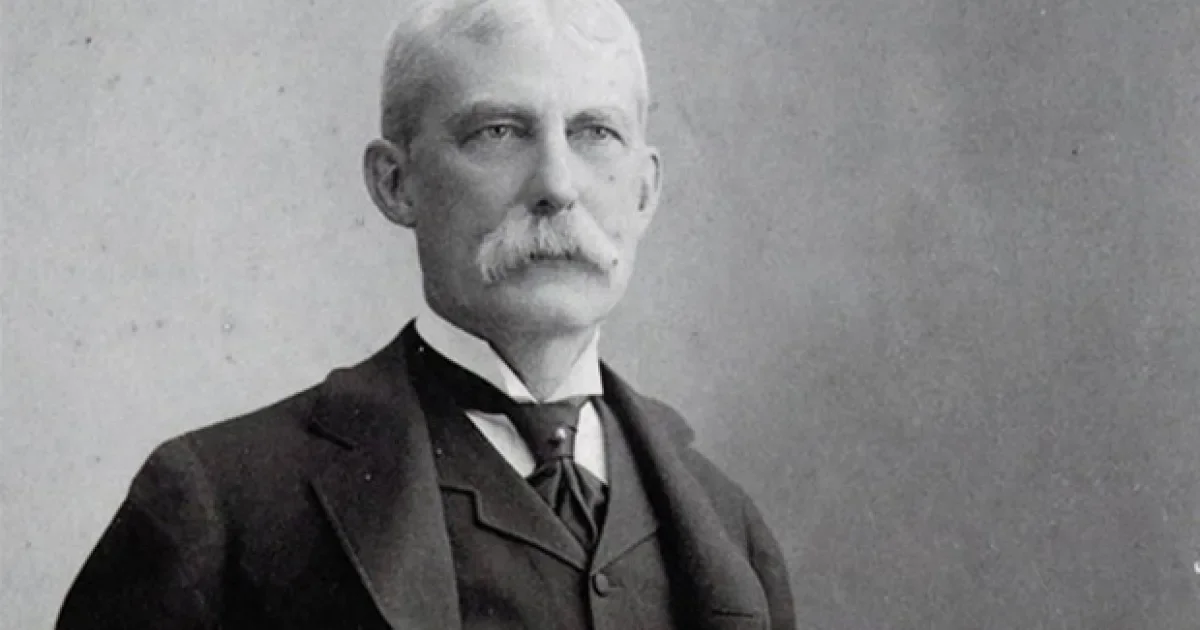
Henry Flagler was a visionary industrialist whose influence helped shape the development of Florida into a world-renowned destination. Born in 1830 in Hopewell, New York, Flagler made his fortune as one of the co-founders of Standard Oil alongside John D. Rockefeller. While Standard Oil’s success secured Flagler’s financial legacy, it was his later ventures in Florida that cemented his role as one of the state’s most important figures.
Henry Flagler The Visionary Who Transformed Florida’s Landscape
Henry Flagler, an industrial titan and co-founder of Standard Oil, was instrumental in reshaping Florida’s landscape. Born in 1830 in Hopewell, New York, Flagler’s wealth from the oil industry provided the means for his grand ambitions in the Sunshine State. His initial visit to Florida in the late 1870s, driven by a quest for a suitable climate for his wife’s health, sparked a transformation that would forever alter the region.
Henry Flagler’s Bold Ventures Hotels and Railroads Paving the Way for Florida’s Growth
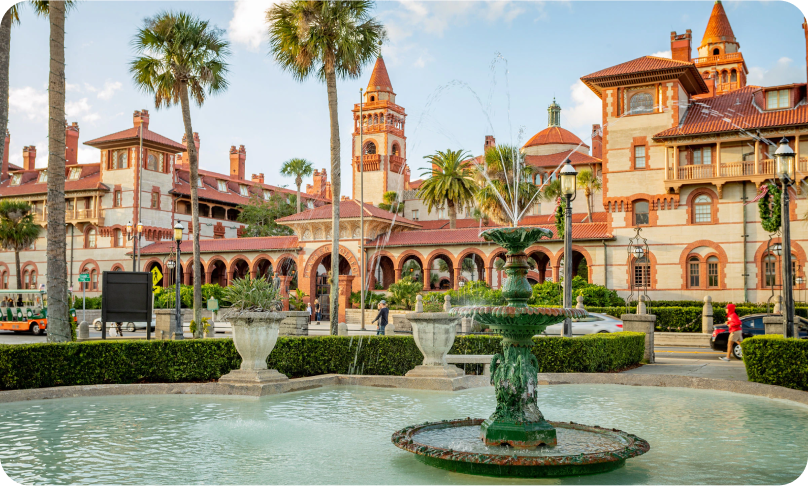
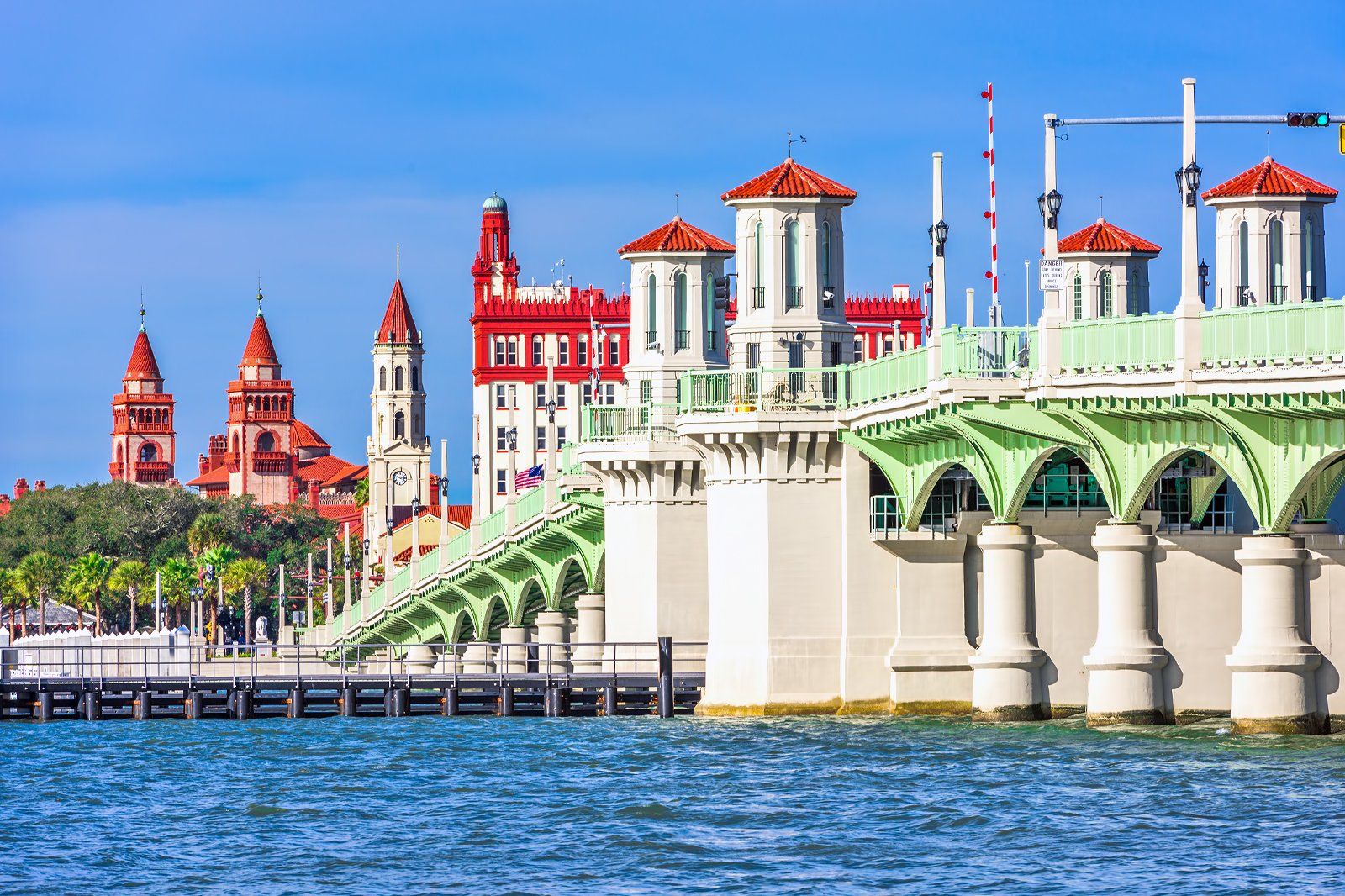
Flagler’s impact began with the establishment of luxurious hotels in St. Augustine, such as the opulent Ponce de León Hotel, which he inaugurated in 1888. His investments were not merely for luxury; they were strategic moves to elevate Florida’s profile as a premier tourist destination. Recognizing that transportation was crucial for the state’s growth, Flagler embarked on a monumental project: expanding the Florida East Coast Railway. His railroads connected the previously isolated areas of Florida, from the bustling city of Miami to the far-flung reaches of Key West. The completion of this ambitious rail line in 1912 was a testament to his vision, enhancing both tourism and commerce across the state.
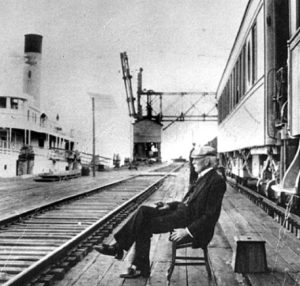 Beyond St. Augustine, Flagler’s influence reached into Palm Beach and Miami. In Palm Beach, he constructed the Royal Poinciana Hotel and the Breakers Hotel, establishing the area as a luxurious retreat. Miami’s growth as a city can also be attributed to Flagler’s efforts, which laid the groundwork for its future prosperity. His infrastructural projects not only made Florida more accessible but also paved the way for economic expansion and urban development.
Flagler’s personal life, marked by resilience, included two marriages and numerous philanthropic endeavors. After the loss of his first two wives, he married Mary Lily Kenan in 1901, with whom he shared an influential presence in Florida’s social scene. His later years were dedicated to overseeing his extensive projects, with the completion of the Overseas Railroad standing as a pinnacle of his achievements. Flagler’s death in 1913 marked the end of an era, but his legacy continued to influence Florida’s trajectory long after.
Today, Henry Flagler’s legacy is enshrined in the grand architecture, railroads, and thriving cities that define Florida. His contributions are celebrated through landmarks like Flagler College, a testament to his transformative impact on the state. Flagler’s vision and dedication remain pivotal in understanding Florida’s evolution into a vibrant and dynamic region.