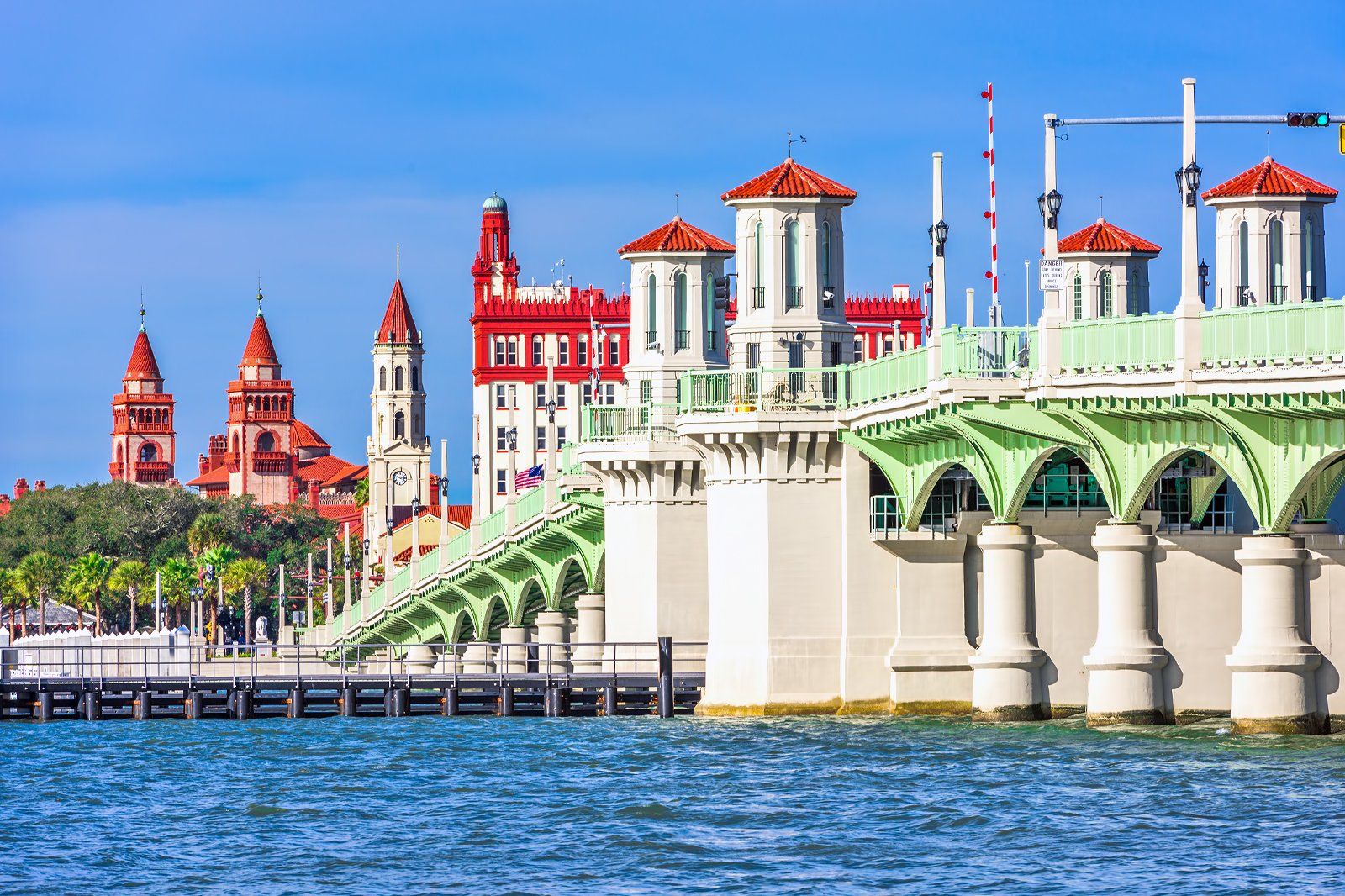
Flagler Railroad – to Key West
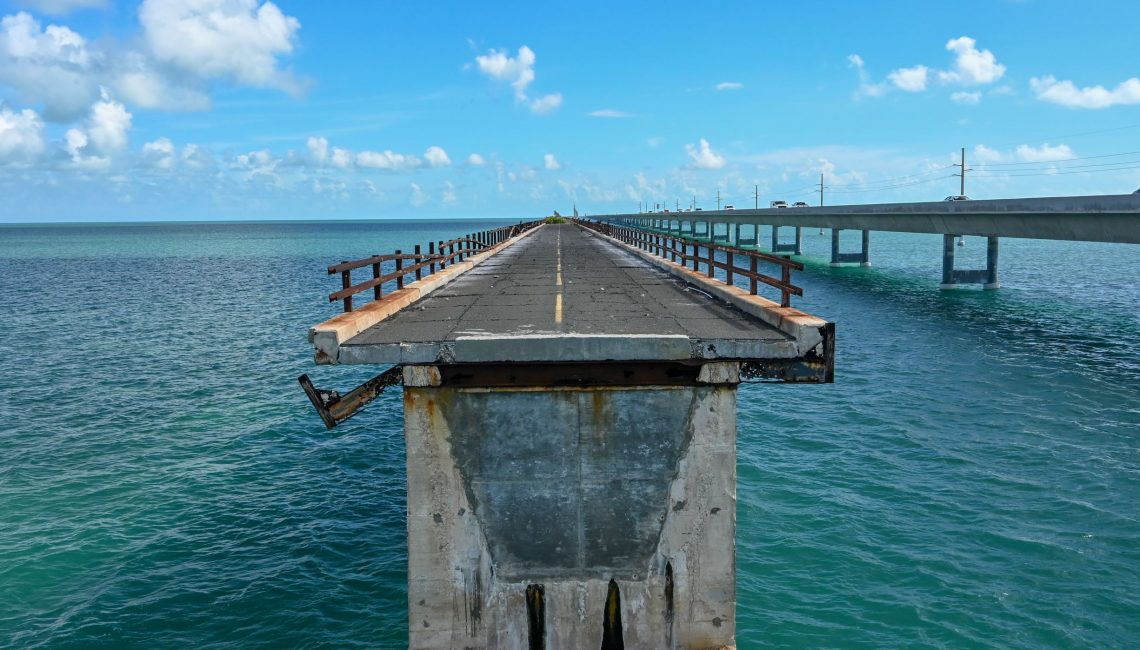
The Flagler Railroad to Key West is one of the most extraordinary feats of early 20th-century engineering, driven by the ambition and vision of Henry Flagler. Known as the “Overseas Railroad,” this project connected the Florida mainland to Key West, the southernmost point in the continental U.S. The undertaking was a monumental challenge, requiring the construction of over 100 miles of railway across a string of islands and open ocean, transforming Florida’s economic landscape forever.
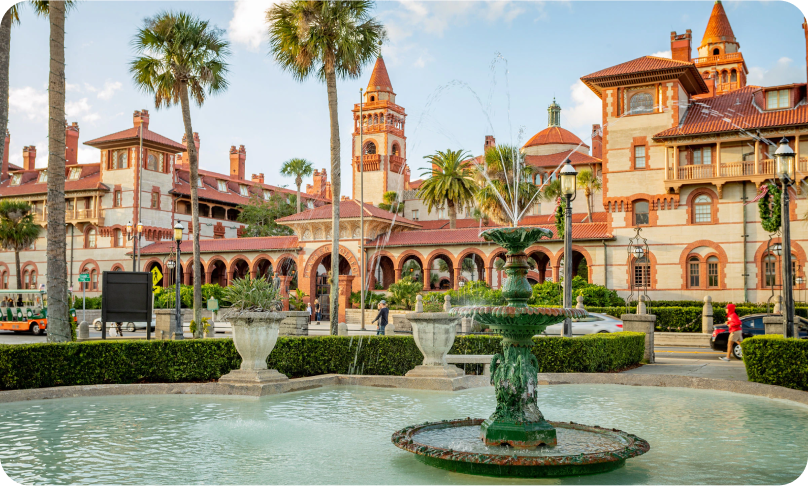
Henry Flagler’s Vision Transforming St. Augustine and Beyond
Henry Flagler, an influential industrialist and co-founder of Standard Oil, was instrumental in shaping Florida’s east coast. Through his ambitious ventures, he helped cities such as St. Augustine, Palm Beach, and Miami gain prominence, establishing Florida as a sought-after destination for both tourists and new residents. However, Flagler’s vision didn’t stop there—he dreamed of extending his Florida East Coast Railway all the way to Key West. At the time, Key West was a thriving port with strong commercial ties to Cuba and Latin America, making it a strategic location that Flagler was determined to connect by rail.
Construction of the railroad began in 1905 and proved to be a daunting task. Workers faced harsh weather, hurricanes, and unpredictable waters while building bridges and viaducts to span the islands of the Florida Keys. One of the most significant engineering challenges was constructing bridges over deep waters, some reaching over 30 feet in depth. Despite these enormous obstacles, Flagler’s determination never faltered, and progress continued slowly but steadily.
The Seven Mile Bridge A Marvel of Engineering in St. Augustine’s Legacy
The highlight of the construction effort was the Seven Mile Bridge, a stunning structure that linked a series of islands across the Keys. It became an icon of the project, representing the remarkable ingenuity required to build the railroad across such inhospitable terrain. The bridge, with its breathtaking expanse over the water, symbolized the audacity and innovation at the heart of Flagler’s vision.
Finally, in January 1912, after nearly seven years of hard work, the first train completed its journey to Key West. Flagler himself, by then in his 80s, traveled aboard that inaugural train, witnessing firsthand the realization of his dream. The railroad opened new avenues for trade, tourism, and communication between Key West and the mainland, transforming the economic future of the region. It became a vital link, boosting commerce and enabling people to travel between the islands and the rest of the United States.
Unfortunately, the Flagler Railroad faced an untimely end. In 1935, a devastating Labor Day hurricane swept through the Florida Keys, destroying much of the railway infrastructure. The destruction was so severe that the railroad was never repaired. Instead, the remains of the railway were converted into what is now known as the Overseas Highway, allowing cars to traverse the route originally intended for trains.
Though the Flagler Railroad to Key West had a relatively short lifespan, its impact on Florida was immense. It symbolized the spirit of innovation and perseverance, and it forever changed the way people traveled and conducted business in the state. Today, remnants of the original railway can still be seen along the Overseas Highway, serving as a reminder of Flagler’s bold dream and the enduring legacy he left behind. The story of the Flagler Railroad remains an inspirational chapter in Florida’s history, marking a time when one man’s vision reshaped an entire region.