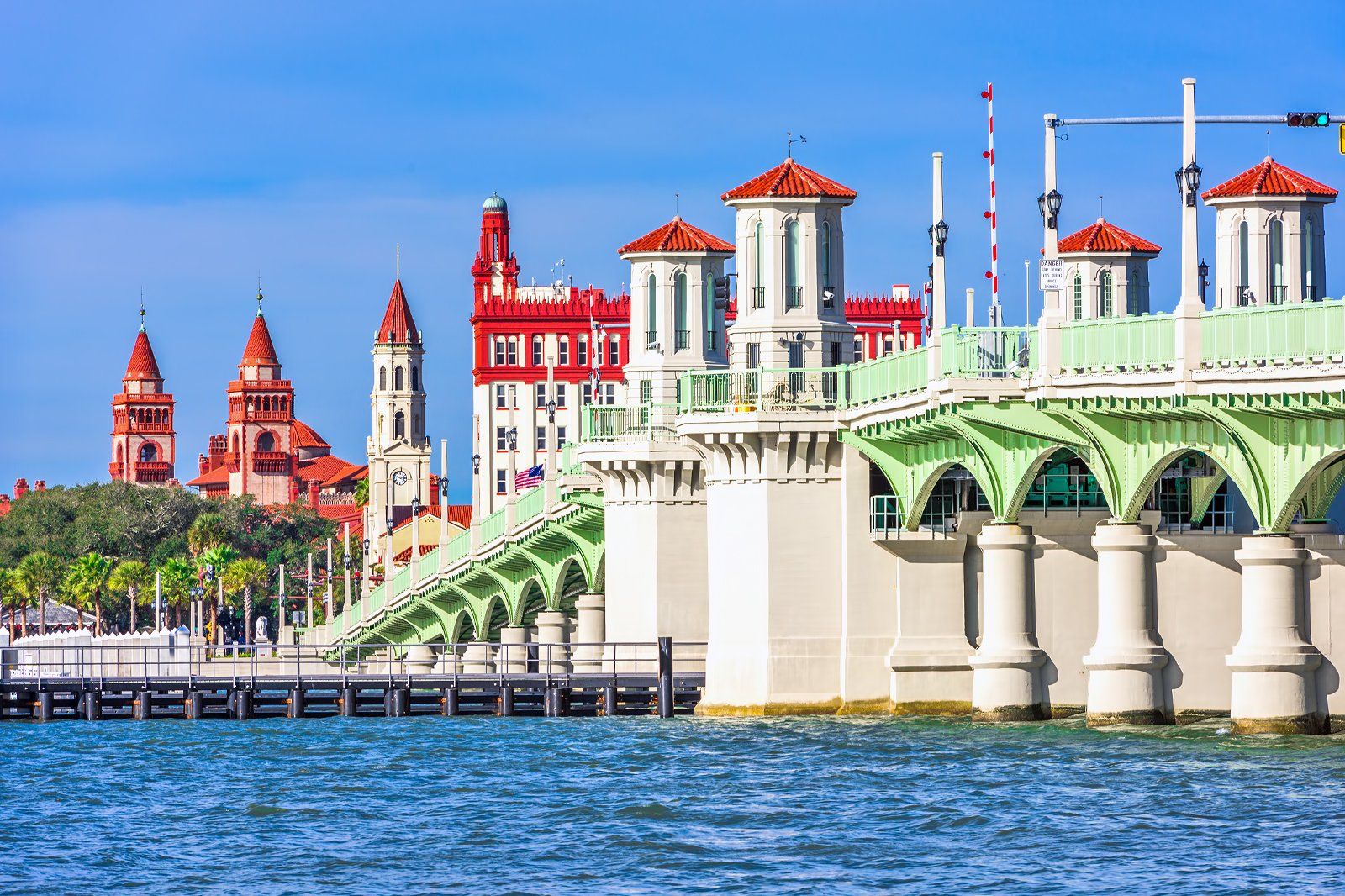
Colonial St Augustine Preservation
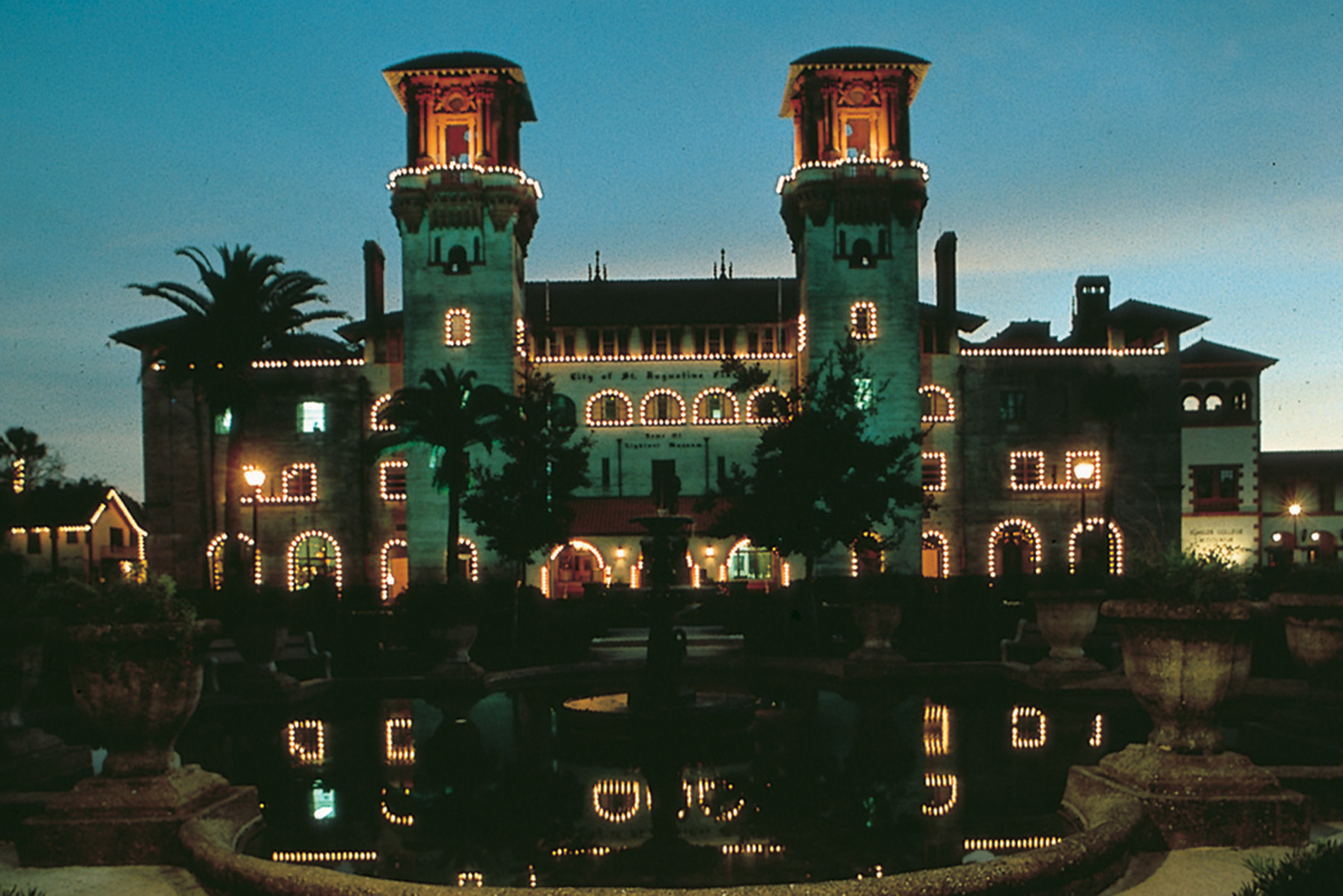
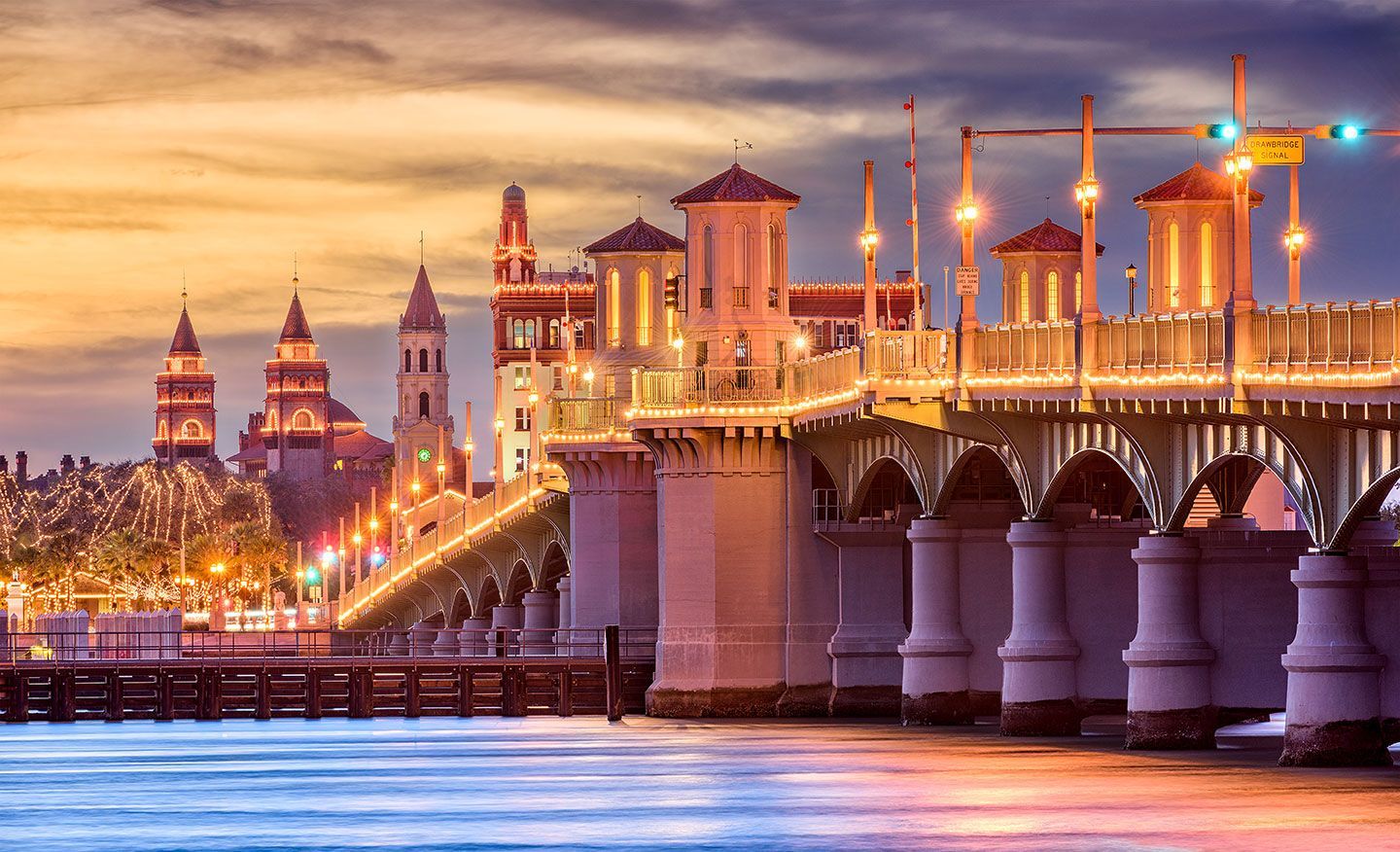
Founded by Pedro Menéndez de Avilés in 1565, St. Augustine’s strategic location and cultural significance have long made it a focal point of Spanish, British, and American colonial ambitions. Today, the city retains much of its colonial architecture, offering visitors an immersive experience in early American history. However, the challenges of time, climate, and modern development require continuous preservation efforts to ensure that St. Augustine’s historical character is not lost. These efforts go beyond simply maintaining buildings; they aim to keep alive the spirit of a city that has seen more than 450 years of history.
Preserving St. Augustine’s Colonial Charm The Importance of Historic Homes and Streets
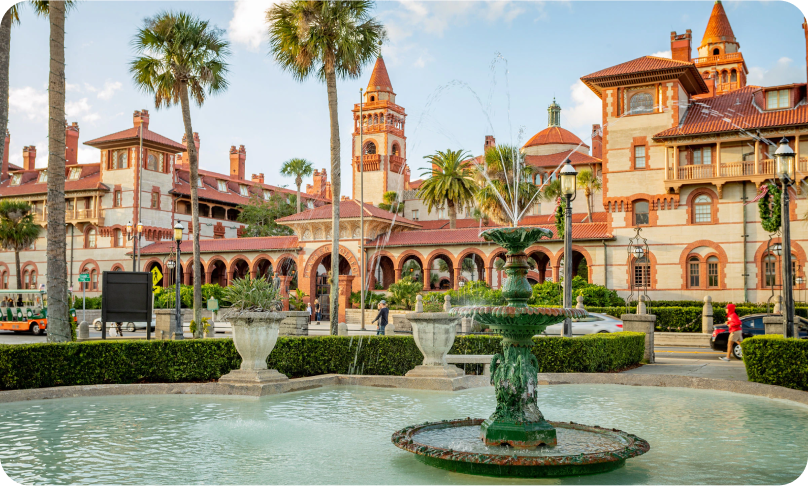
But it’s not just the grand structures that need preservation—many of the city’s historic homes, shops, and streets also require care to maintain their colonial-era charm. Streets like Aviles Street, the oldest in the city, have been preserved to reflect their original layouts and architecture. Small homes and businesses, some dating back to the 17th century, give visitors a sense of what daily life was like for early settlers. These buildings may not be as imposing as the Castillo, but they are crucial in telling the full story of St. Augustine’s colonial past.
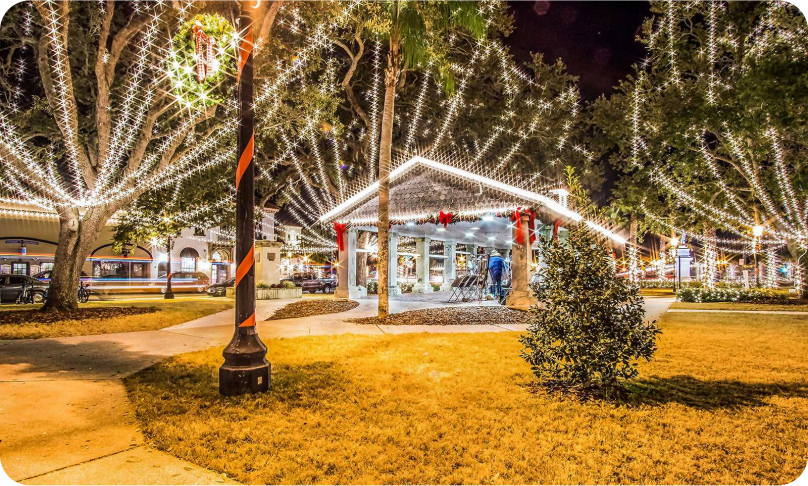
Preservation in St. Augustine extends beyond the physical structures; it also includes the city’s layout and public spaces. The Plaza de la Constitución, located in the heart of the city, remains a central gathering place just as it was during the colonial period. Efforts to maintain the plaza focus on keeping its historical layout intact while ensuring it remains accessible and functional for modern use. This balance of preserving the past while accommodating the needs of today’s community is a recurring theme in St. Augustine’s preservation strategy.
The Role of Community Engagement in Preserving St. Augustine’s Colonial Heritage
Community involvement also plays a crucial role in preserving colonial St. Augustine. Organizations like the St. Augustine Historical Society work tirelessly to advocate for responsible development and raise funds for restoration projects. These groups also engage in public education campaigns to ensure that locals understand the importance of preservation and the role they can play in protecting their city’s history. With the help of local volunteers, scholars, and preservationists, the city is able to undertake large-scale projects to restore and protect its historical assets.
 One of the greatest challenges facing St. Augustine’s preservation efforts is the threat posed by climate change. Rising sea levels and increased storm activity pose a real danger to the low-lying coastal areas where many of the city’s historical sites are located. Preservationists are increasingly focused on developing strategies to protect these vulnerable areas, including the installation of modern drainage systems and the use of new materials to reinforce aging structures. These efforts aim to safeguard St. Augustine’s colonial heritage against the unpredictable forces of nature.
Through the combined efforts of preservationists, historians, and the local community, St. Augustine continues to be a living monument to America’s colonial past. Its well-preserved streets, buildings, and public spaces offer an immersive historical experience, where visitors can walk in the footsteps of the early settlers. As St. Augustine looks toward the future, its commitment to preservation ensures that its colonial heritage will continue to inspire and educate for generations to come.