Andrew Young Crossing
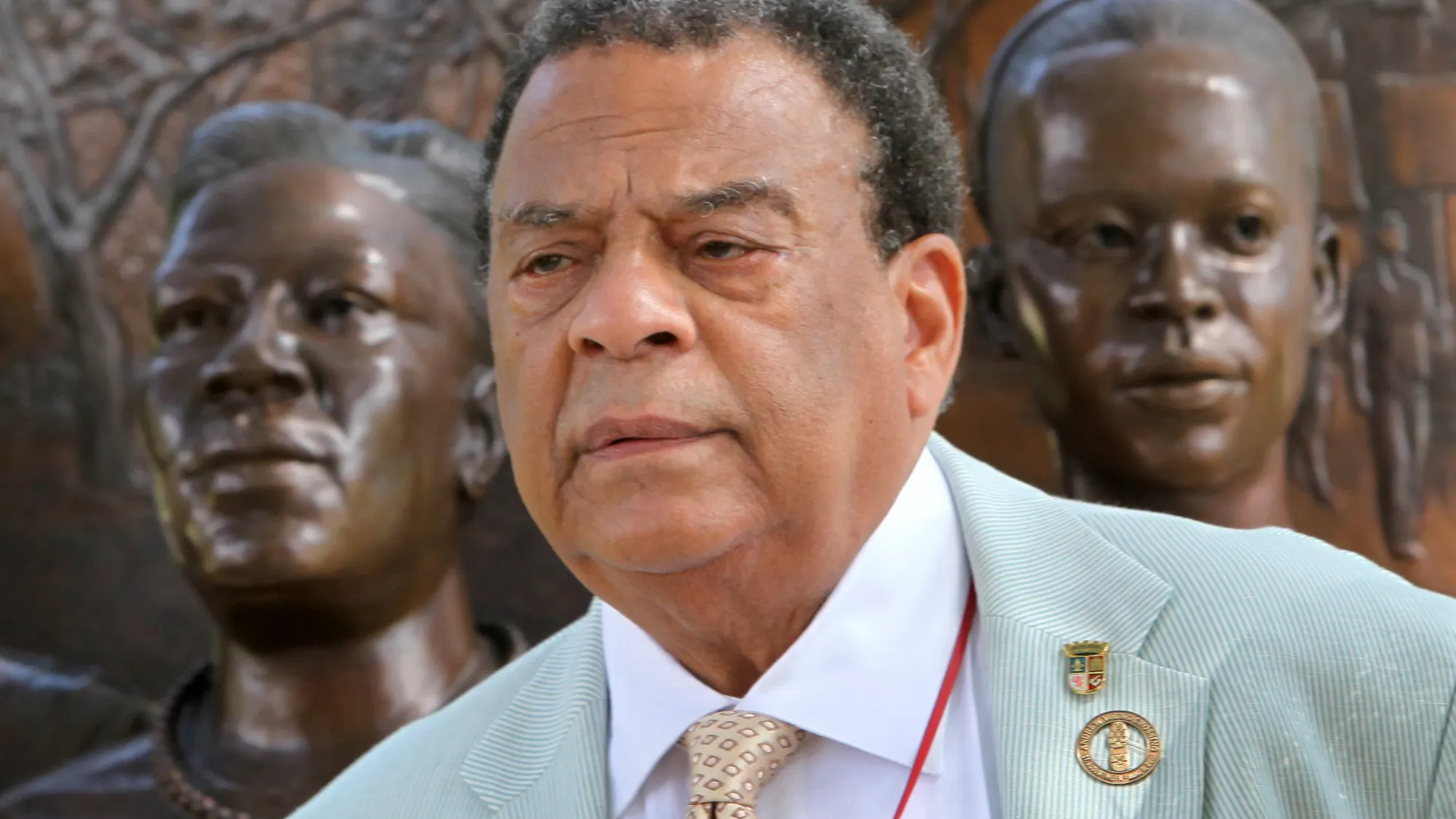
St. Augustine, with its long colonial history, was not only important for its age but also for the contrast between its past and the present struggle for freedom and equality. The city became a national flashpoint as activists organized protests to draw attention to the deeply ingrained segregation in the South. Andrew Young, alongside other civil rights leaders, led marches through the streets, confronting violent opposition and enduring arrests. Their efforts in St. Augustine were not isolated; they were part of a larger movement to pressure lawmakers into passing the landmark Civil Rights Act of 1964.
St. Augustine’s Role in Andrew Young’s Civil Rights Activism
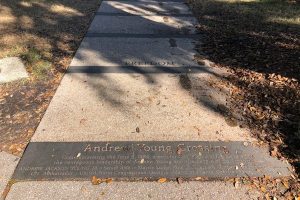 Young’s activism in St. Augustine was a defining moment, illustrating the power of peaceful protest in the face of hostility. The city’s involvement in the Civil Rights Movement helped galvanize public support for change, as images of the clashes between demonstrators and segregationists shocked the nation. Through persistence, determination, and nonviolent resistance, Andrew Young and other leaders helped push forward legislation that would forever alter the landscape of American society, making St. Augustine an indelible part of that legacy.
Andrew Young Crossing stands today as a tribute to this pivotal moment in history. The site is marked by a bronze statue that captures the moment of Young’s peaceful resistance during the violent protest. The statue, which depicts Young raising his hands in a gesture of peace, was unveiled in 2014 to commemorate the 50th anniversary of the events in St. Augustine. It serves as a powerful symbol of nonviolent resistance and reminds visitors of the determination and courage it took to challenge institutionalized racism.
Andrew Young Crossing Bridging St. Augustine’s Colonial and Civil Rights Histories
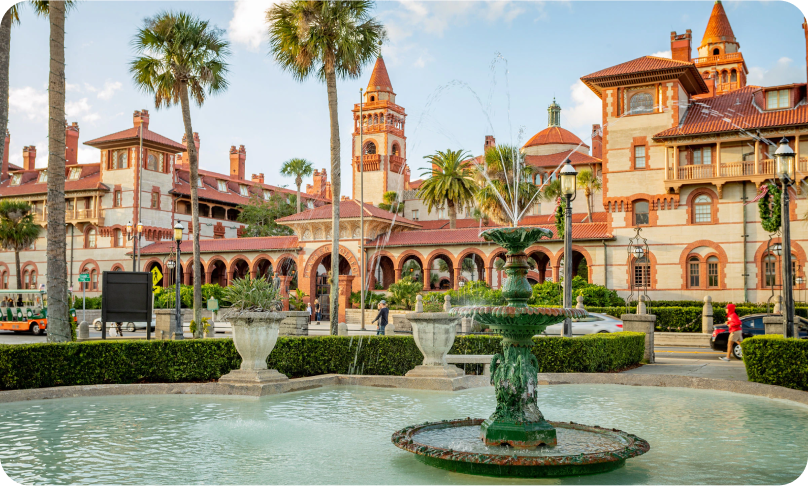
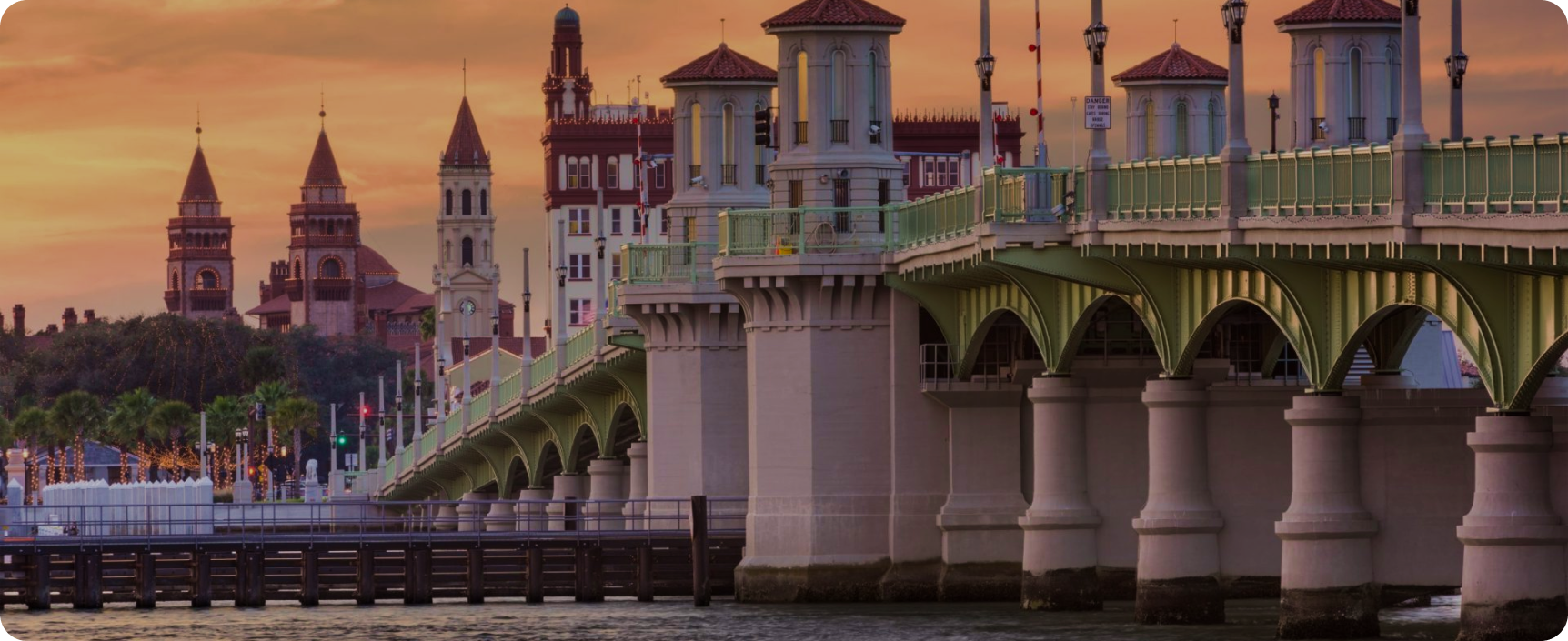
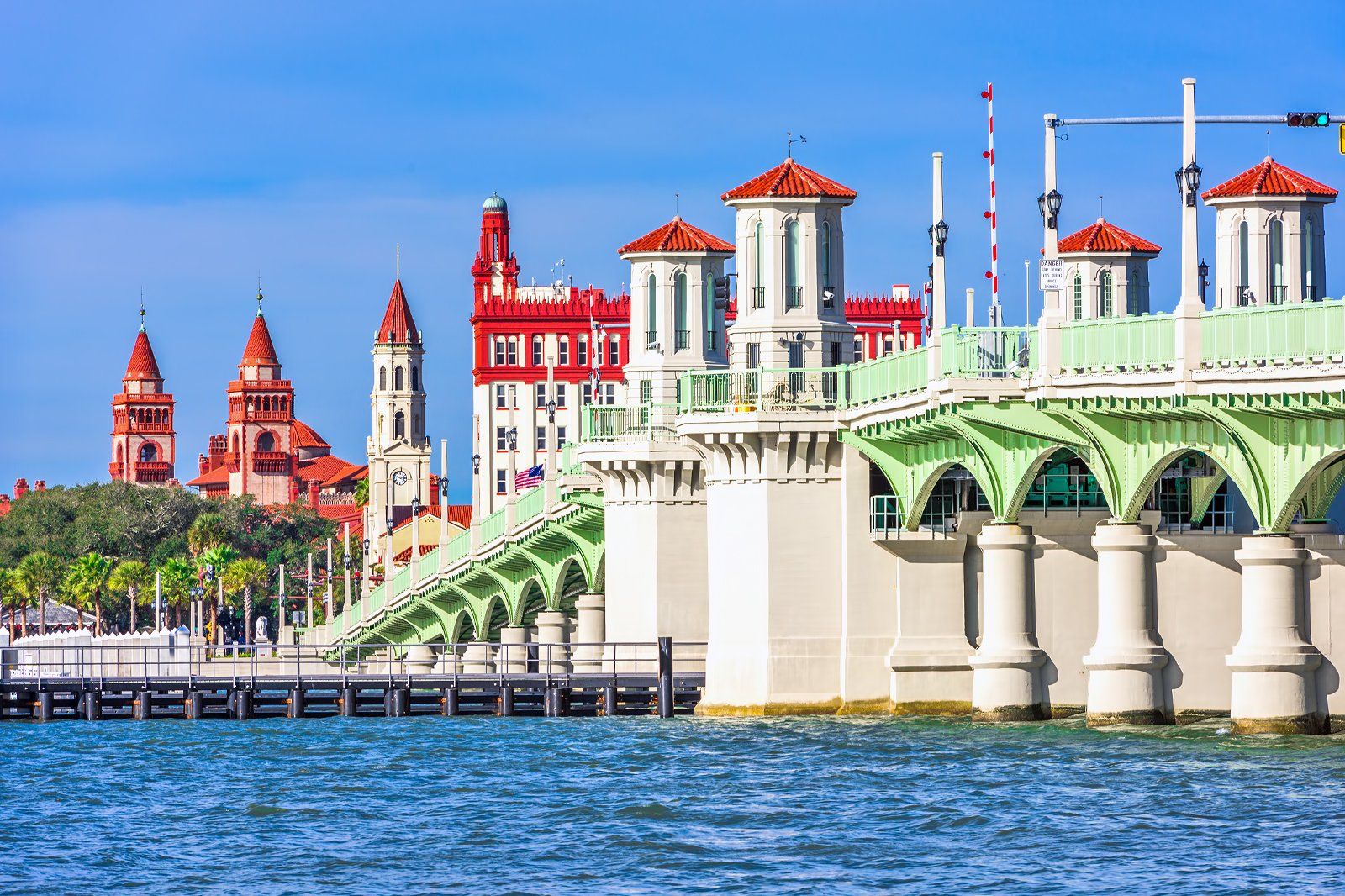
For tourists, a visit to Andrew Young Crossing provides a unique perspective on St. Augustine’s broader historical narrative. While the city is renowned for its colonial heritage, the crossing offers an opportunity to engage with a more recent and equally important chapter of history. The crossing is located in the heart of the city’s historic district, near other landmarks like the Castillo de San Marcos and St. George Street, making it easy for visitors to explore the civil rights history alongside the city’s older colonial past.
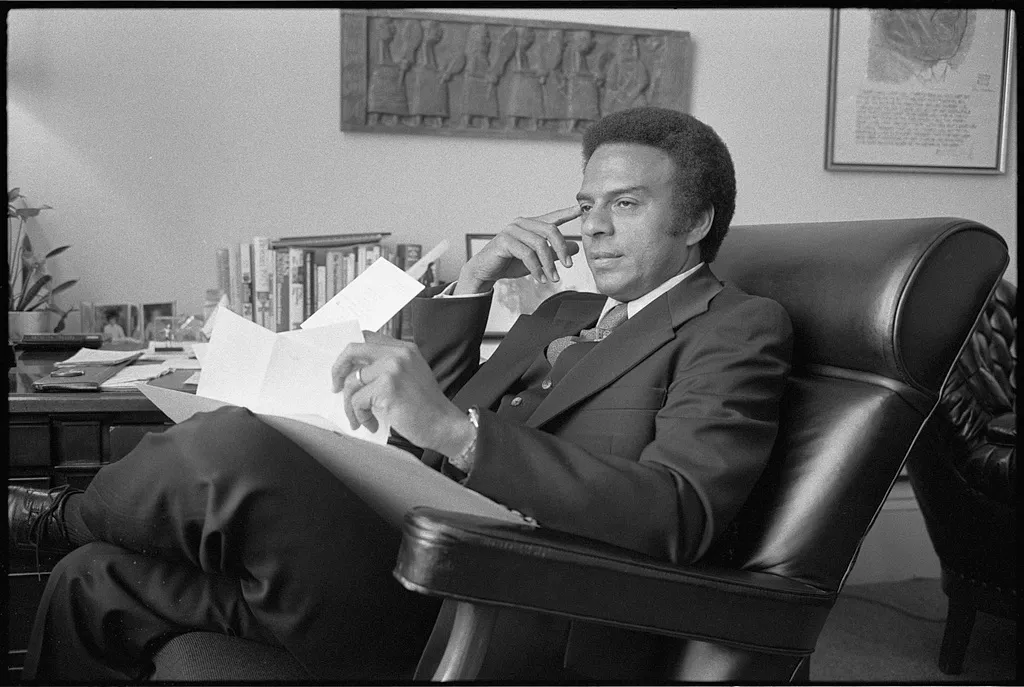
While Andrew Young Crossing honors past struggles, it also highlights the continued relevance of civil rights in the modern era. The fight for equality is not relegated to history books, and the lessons learned from Young’s leadership remain pertinent today. The statue and the crossing encourage visitors not just to reflect on the past but also to think critically about the present and the future.
St. Augustine offers much more than just a glimpse into its colonial history. The story of Andrew Young and the city’s role in the Civil Rights Movement add depth and significance to any visit. Whether you are a history enthusiast or a casual tourist, Andrew Young Crossing offers an essential and reflective stop in your journey through this historic city, providing insights into the struggle for justice and equality that shaped modern America.