10 Best Things To Do in St. Augustine
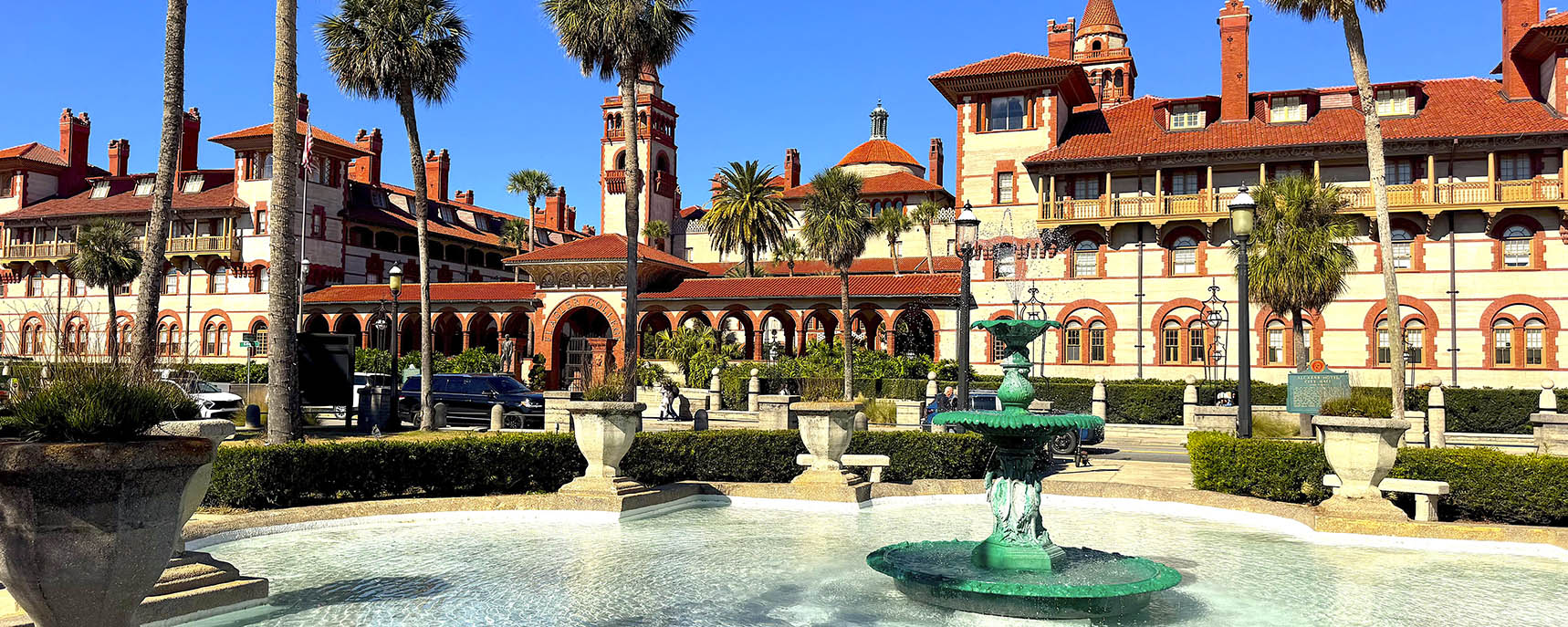
St. George Street
St. George Street, the heart of St. Augustine’s historic district, is a pedestrian-only haven where charming shops, local eateries, and centuries-old landmarks come together. Tucked away through a narrow alley called St. George’s Row, you’ll find Rendezvous Imported Beers, a hidden gem boasting over a hundred varieties of craft beer. Located at 106 St. George Street, this cozy spot is worth the search, as noted by local expert Casey Feindt.
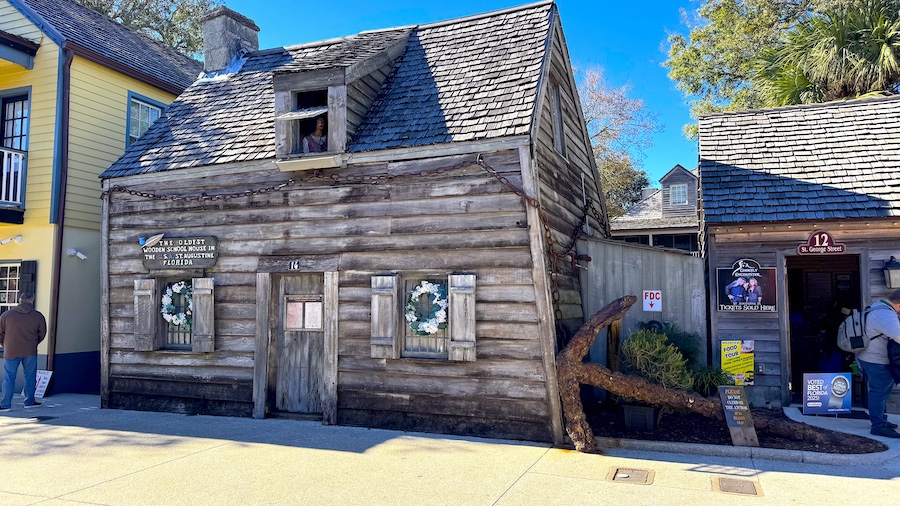
From artisan boutiques like Sunburst Crystal and Tillie’s Bath Cottage to significant sites like the Huguenot Cemetery and the iconic Oldest Wooden School House, St. George Street offers an eclectic mix of modern appeal and historic wonder. Just a short walk away, you’ll find the Castillo de San Marcos National Monument and the St. Augustine Pirate & Treasure Museum, plus various art galleries and the immersive Colonial Quarter.
For a taste of southern charm, stop by The Sweet Spot for some of the best ice cream in town or browse unique shops for locally crafted souvenirs. Many St. Augustine ghost tours include St. George Street on their itinerary, making it an ideal spot for curious travelers eager to learn the city’s hidden stories. Visitors appreciate the lively atmosphere, though comfortable shoes are a must for navigating the pedestrian-friendly thoroughfare.
St. George Street stretches from the historic Old City Gate to the Plaza de la Constitucion in the center of town. The street is free to explore, but plan to bring your wallet for dining and shopping. Boutiques and eateries have varying hours, and parking can be a challenge. The Visitor Center parking garage, a few blocks northeast of Orange Street, charges $15 and fills up quickly on weekends. Arrive early to make the most of your visit to this vibrant slice of St. Augustine.
Castillo de San Marcos
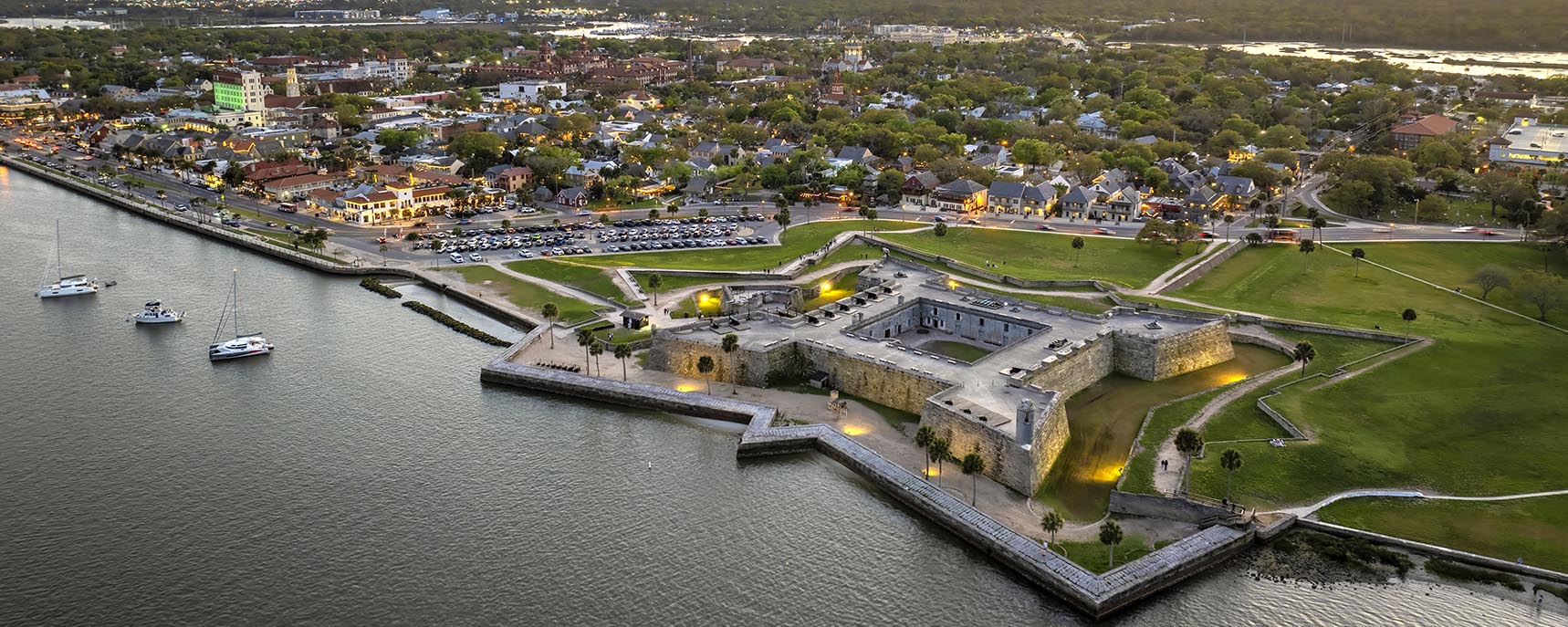
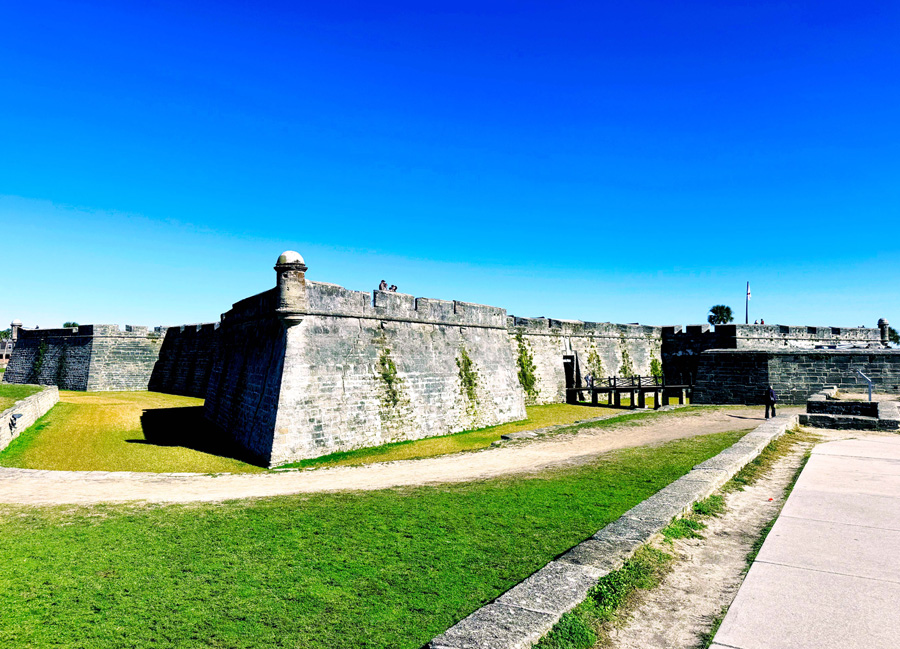
Constructed by the Spanish between 1672 and 1695, the Castillo de San Marcos stands as the oldest masonry fort in the United States, a remarkable piece of history in downtown St. Augustine. For over two centuries, this fort guarded Spanish Florida from threats like British forces and pirates. Today, it remains one of only two forts worldwide made of coquina, a unique limestone composed of seashell fragments, which lends both strength and charm to its enduring walls.
Throughout its extensive military career, the Castillo primarily served Spanish forces. However, it was also used by the British during the American Revolution and later by both Confederate and Union troops during the Civil War. Declared a national monument in 1924, the fort has since become a must-see for history enthusiasts and families alike. Many recent visitors have praised it as a one-of-a-kind, educational experience that’s especially fun for children, though parking can be limited during busy times.
Situated in the northern section of St. Augustine’s historic city center, near the Colonial Quarter, Castillo de San Marcos is easy to reach by trolley or a short walk from downtown. Parking is available in a nearby lot or at the city’s visitor center garage, both within walking distance of the monument. The fort is open daily from 9 a.m. to 5 p.m., excluding Thanksgiving and Christmas. Admission is $15 for adults 16 and older, while children 15 and under and visitors with National Parks passes can enter for free. Tickets remain valid for seven consecutive days, allowing plenty of time to explore. With restrooms, a recreation area, and a park store on-site, Castillo de San Marcos offers both convenience and an unforgettable journey into America’s past.
Colonial Quarter
Nestled in downtown St. Augustine on historic St. George Street, the Colonial Quarter invites visitors to experience the daily life of the 16th, 17th, and 18th centuries. Divided into four distinct areas, this immersive, open-air museum showcases key periods: the 16th-Century Spanish First City, the 17th-Century Spanish Fortified Town, the 18th-Century Spanish Garrison Town, and the 18th-Century British Colony. On any given day, visitors can see demonstrations ranging from traditional shipbuilding to musket drills, depending on the section.
Many guests have highlighted the Colonial Quarter as a memorable experience, especially for families. While some noted ticket prices as a bit high, most agreed that the hands-on demonstrations and knowledgeable staff made it worth every penny. Guided Living History Tours, included in admission, add a deeper layer to the experience, with guides sharing stories that bring St. Augustine’s colonial past to life.
Open daily from 10 a.m. to 5 p.m., the Colonial Quarter offers ticket options at $14.99 for adults and $8.99 for children ages 5 to 15, while children 4 and under can enter for free. Tickets are available at 14 S. Castillo Drive or 43 St. George Street, with tours starting at 10:30 a.m., noon, 1:30 p.m., and 3 p.m. Although there is no on-site parking, the St. Augustine & St. Johns County Visitor Information Center provides parking nearby for $15 per vehicle, and the city trolley conveniently stops near the Colonial Quarter.
Anastasia State Park
Anastasia State Park, part of Florida’s State Park system, spans over 1,600 acres of pristine beaches, marshes, and sand dunes, offering a peaceful retreat from city life. It’s a perfect spot to unplug, explore, and connect with nature. Bird-watching, kayaking, and hiking the nature trails offer endless ways to enjoy the park, while adventurous visitors can try cycling along the beach, boating, fishing, or swimming. Note that lifeguards are on duty only from Memorial Day through Labor Day, so plan accordingly. For those looking to rent gear, Anastasia Watersports provides kayaks, stand-up paddleboards, and bicycles.
Campers have the unique option of staying overnight, with 139 campsites that accommodate both RVs and tents. An insider tip: if you’re headed to the St. Augustine Amphitheater for a show, consider camping here—there’s even a wooded trail from Sand Dollar Loop connecting the park to the amphitheater.
Many recent visitors praised Anastasia’s natural beauty and quiet ambiance, noting how clean the beach areas are and sharing sightings of turtles and various bird species. The park is open daily from 8 a.m. to sunset, though campers can arrange for late arrivals if needed. Entrance fees are $8 per vehicle, $4 for solo drivers, and $2 for visitors on foot or bike. Overnight camping costs $28, plus a small fee to cover utilities and reservation costs.
For refreshments, head to Island Beach Shop and Grill near the swimming area, where you can enjoy snacks and beverages, including beer and wine. Day visitors can find convenient restroom facilities throughout the park and near the beach, along with 350 free parking spaces on a first-come, first-served basis.
St. Augustine Lighthouse & Maritime Museum
The St. Augustine Lighthouse & Maritime Museum is a fascinating blend of history, maritime artifacts, and eerie legends. With exhibits showcasing shipwreck treasures, a wooden boat-building area, and the iconic 165-foot-tall lighthouse, this site captures St. Augustine’s seafaring past. Built between 1871 and 1874, this lighthouse is the oldest standing brick structure in the city and has 219 steps leading to breathtaking panoramic views. It’s not just the height that draws visitors; many ghost tours also stop here due to chilling tales of hauntings linked to former keepers and two young girls who tragically passed on-site in the late 1800s. The lighthouse’s spooky history even led to a feature on the show Ghost Hunters.
Recent visitors rave about the scenic climb to the top, although it requires a minimum height of 44 inches, which can be a barrier for families with smaller children. But for those who make the climb, the stunning views make it well worth the trek, so don’t forget your camera!
Located 3 miles southeast of St. Augustine’s historic center on Anastasia Island, the museum is open daily (except Thanksgiving and Christmas) from 9 a.m. to 6 p.m. Besides the lighthouse itself, the site includes a light keeper’s house, a children’s playground, restrooms, a cafe, and several nature trails. While public transportation doesn’t reach the lighthouse, on-site parking is free, making it easy for drivers to explore.
Admission is $14.95 for adults and $12.95 for seniors and children under 12, and all tickets provide access to archeological activities and guided tours. Specialty tours, including a sunset tour and two ghost tours, are available for an additional fee, perfect for those curious to explore both the history and the mysteries of this unique landmark.
St. Augustine Beach
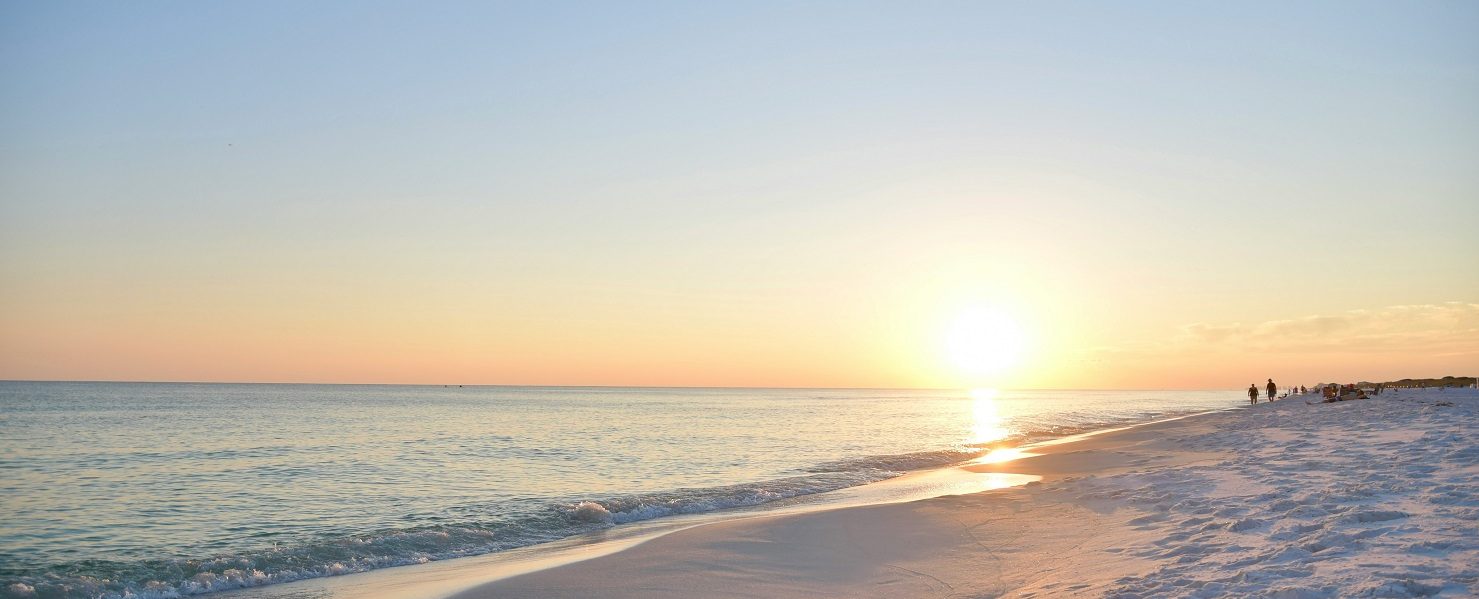
Located about 5 miles southeast of the historic district, St. Augustine Beach boasts roughly 4 miles of soft white sand and family-friendly amenities, making it one of the area’s top coastal destinations. Families especially love the beach’s splash pad for kids, while the St. Johns County Ocean and Fishing Pier at the northern end provides an excellent spot for fishing or a leisurely stroll.
Visitors consistently praise the beach for its stunning, uncrowded setting. The ocean here usually has small, gentle waves that are perfect for young swimmers. However, on certain days, larger waves roll in, making it ideal for surfing and bodyboarding enthusiasts.
Getting to St. Augustine Beach
St. Augustine Beach is accessible by trolley, bus, or car. Complimentary street and lot parking are available but can be limited, so early arrival is recommended for drivers. For those with trolley passes, Old Town Trolley Tours offers a beach shuttle at no extra charge, and Sunshine Bus Company has a route that stops at the south end of the beach near the Anastasia Publix.
The beach is free to enter, although a $2 fee is required for pier access. Facilities include restrooms, volleyball courts, a covered pavilion, and outdoor showers near the splash pad. The beach remains open 24 hours a day, and beach driving is permitted with a permit, though it’s restricted from 7:30 p.m. to 8 a.m. during turtle nesting season (May 1 to Oct. 31).

Lightner Museum

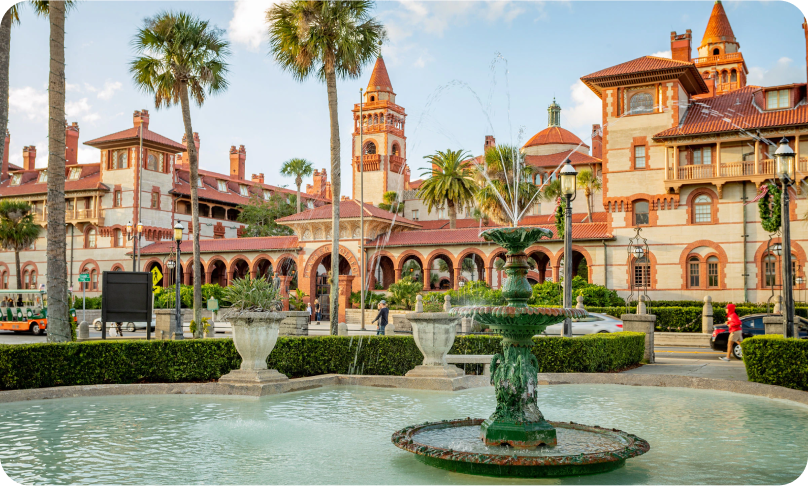
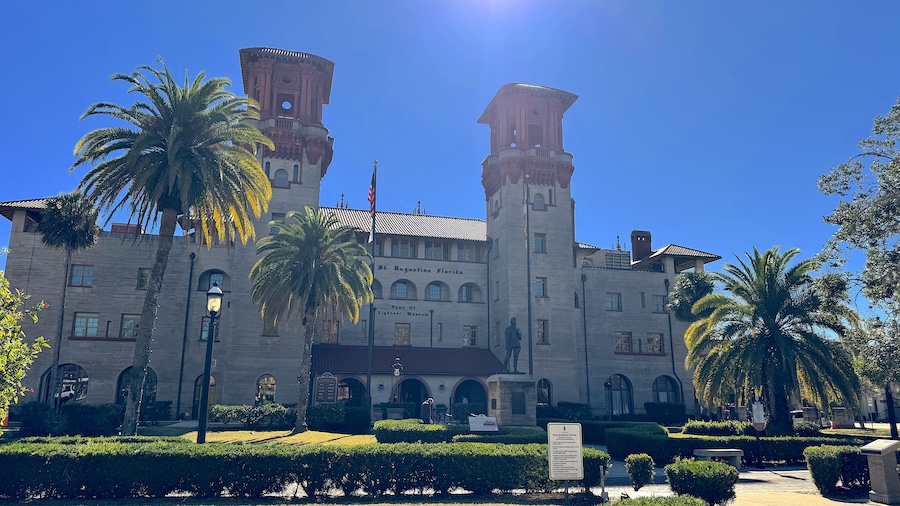
Nestled just south of Flagler College, the Lightner Museum in St. Augustine’s historic city center offers an eclectic journey through 19th-century art and artifacts. Occupying the former Alcazar Hotel—a striking Spanish Renaissance Revival structure built by Henry Flagler in 1888—the museum showcases a mix of unconventional and traditional pieces, including shrunken heads, antique salt and pepper shakers, human hair art, and cigar labels. Glass collections and vintage furniture round out the unique exhibits, which rotate regularly, making each visit a fresh experience.
Visitors rave about the museum’s architecture and its extensive four floors of diverse exhibits, which invite hours of exploration. When it’s time for a break, guests can enjoy lunch at the museum’s cafe, noted for its delicious offerings.
Admission and Hours
Tickets are priced at $17 for adults, $10 for children ages 12 to 17, while kids 11 and under enter for free. Seniors, active military, and college students can enjoy discounted rates. Tickets can be purchased both online and at the museum. Amenities include a gift shop, cafe, and restrooms. The museum is open daily from 9 a.m. to 5 p.m., with last admission at 4 p.m., though it closes on Thanksgiving, Christmas, and New Year’s Day.
For convenient access, visitors can take the trolley or drive—keeping in mind that nearby street parking may be limited.
Vilano Beach
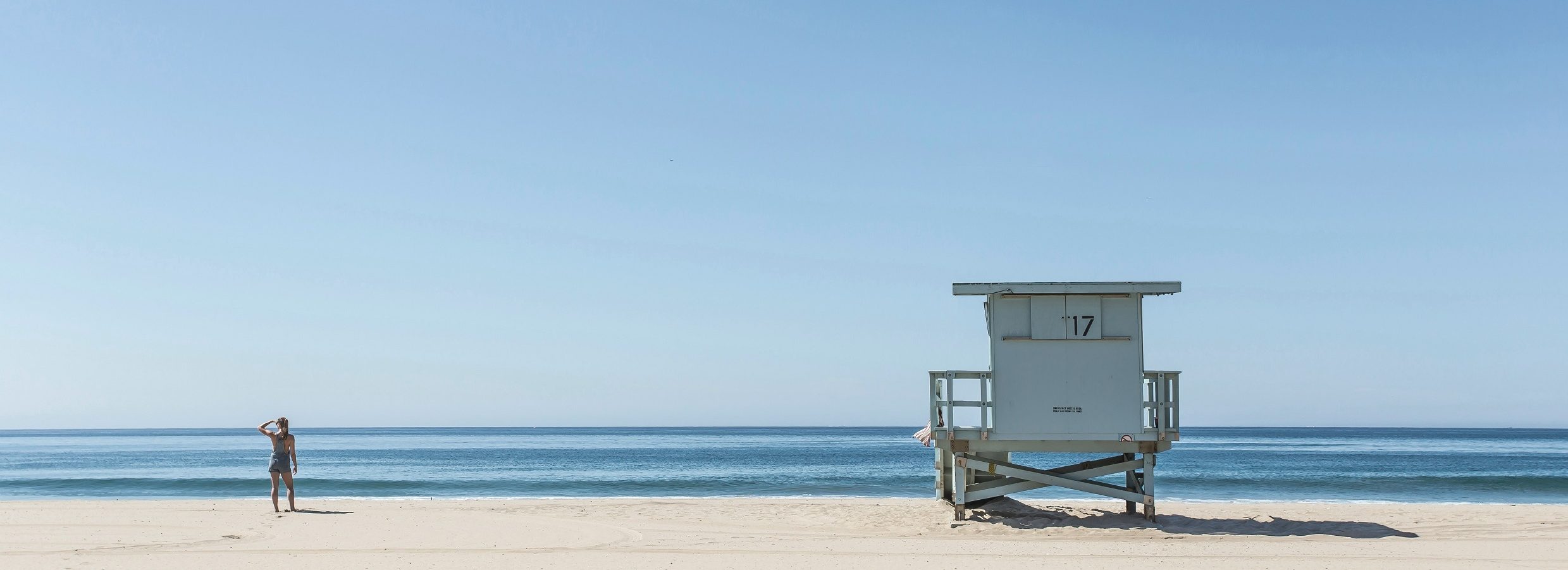
Just beyond the Francis and Mary Usina Bridge, Vilano Beach offers visitors a serene escape with a touch of adventure. Known for its drive-on beaches, Vilano Beach is uncrowded and scenic, with multiple parks offering public beach access, such as North Beach Park and Surfside Park. For those traveling along A1A, don’t miss Castle Otttis, a unique structure resembling an old Irish castle. While there’s no public access to the castle, you can spot it from your vehicle as you travel along the coast (try 4286 A1A Scenic and Historic Coastal Byway on GPS).
The southern end of Vilano Beach features retro hotels and quirky shops, making for a fun afternoon stroll. Food lovers should make a stop at Cap’s On The Water, a top spot for coastal cuisine with southern flair, where you can enjoy unique dishes like vanilla grouper or pear ravioli. The Vilano Beach Fishing Pier also provides a great spot to unwind and take in the beautiful water views.
Practical Information
You can reach Vilano Beach by bus, car, or bike from downtown St. Augustine. Between March 1 and September 30, vehicles are permitted to drive on Vilano Beach for a small fee, which can be paid at the access ramps. Beach driving is restricted from 8 a.m. to 7:30 p.m. during sea turtle nesting season (May 1 to Oct. 31). The beach is open 24/7, but there are no lifeguards on duty, so swimming is at your own risk.
St. Augustine Alligator Farm Zoological Park
For a thrilling family experience, head to the St. Augustine Alligator Farm Zoological Park, a beloved attraction that has been captivating visitors since its founding in 1893. This AZA-accredited facility is the only place worldwide to feature all 24 living species of crocodilians. The park houses an impressive array of animals, including alligators, birds, lemurs, snakes, and sloths, alongside hands-on exhibits, wildlife shows, and interactive animal feedings held daily.
Adventure seekers can test their bravery at *Crocodile Crossing*, a 7-acre zip line course soaring 35 feet above the park’s crocodile and alligator habitats (available for an additional fee). For young children, the KidZone playground offers a space to climb, explore, and play.
Visitor Information
The park is open daily from 9 a.m. to 5 p.m. (extended to 6 p.m. between Memorial Day and Labor Day). Tickets are available both online and on-site, priced at $34.99 for adults and $19.99 for kids ages 3 to 11, with discounts available for seniors, military personnel, AAA members, and wheelchair users. Visitors can also grab snacks, drinks, or meals at *ToucanTina*, the park’s on-site café.

Ponce de Leon’s Fountain of Youth Archaeological Park
Step back in time at Ponce de Leon’s Fountain of Youth Archaeological Park, located on the site of St. Augustine’s first settlement. This historic park celebrates both the legendary quest for eternal youth and the lives of the Timucua, the Indigenous people of northern Florida. Here, visitors can explore unique attractions like a replica Timucua village, a blacksmith shop, and a planetarium, where the early celestial navigation techniques of the Spanish settlers are highlighted. The park is also home to about 30 beautiful white and blue peacocks.
A must-see experience is the chance to drink from the park’s famous Fountain of Youth, though be prepared for the sulfuric “rotten egg” smell of the water! The park also offers a dramatic cannon-firing demonstration, which many visitors enjoy.
Visitor Information
Located about a mile north of St. Augustine’s historic downtown, the park is accessible by car or trolley (stop No. 22). Free parking is available on-site. Open daily from 9 a.m. to 6 p.m., tickets must be purchased by 5 p.m. Admission is $19.95 for adults, with discounts for children (ages 6-12) and seniors. Children under 5 enter for free.
U.S. News Insider Tip: After your visit, take a drive to nearby Magnolia Avenue. Its majestic, moss-covered oaks form a breathtaking canopy, making it one of the most photographed streets in the country.