The Castles of St. Augustine A Tourist’s Journey Through History
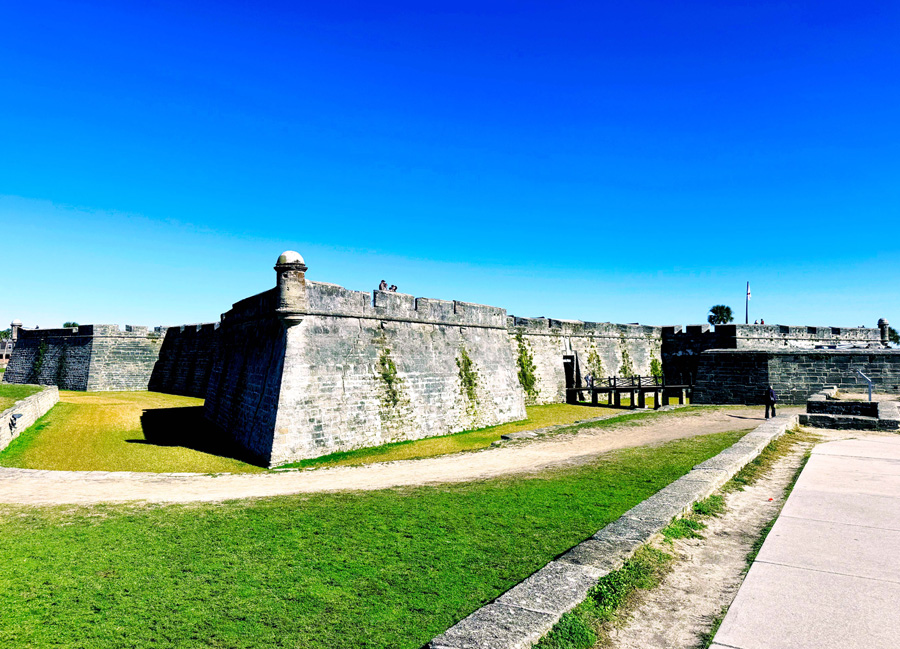
St. Augustine’s castles are a testament to the city’s rich history and strategic significance. The most notable of these is the Castillo de San Marcos, a formidable stone fortress that has guarded the coastline for over 300 years. Built by the Spanish to protect their holdings in the New World, the Castillo is not just an architectural marvel but also a symbol of the various powers that once controlled the region. Throughout its history, the fort has flown the flags of Spain, Britain, and the United States, standing as a silent witness to the shifting tides of empire and war in the Americas.
Strategic Design and Enduring Strength of St. Augustine’s Castillo de San Marcos
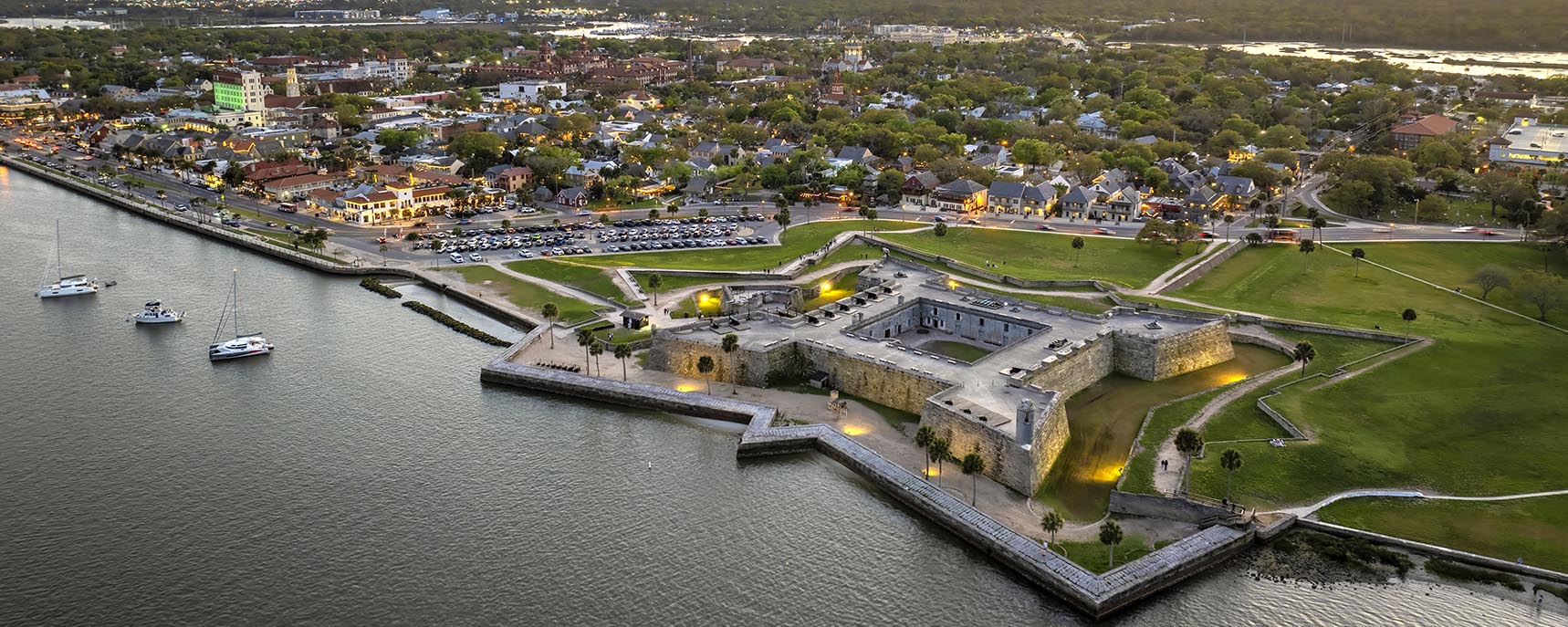
The Castillo de San Marcos stands as one of St. Augustine’s most iconic landmarks, a fortress that has withstood centuries of change and conflict. Built by the Spanish in the late 17th century, the fort’s coquina walls were designed to endure both natural elements and enemy attacks. Its star-shaped layout was a revolutionary design at the time, allowing for maximum defense with minimal vulnerability. Today, the Castillo is a striking reminder of the city’s colonial past, offering visitors a chance to explore its ramparts, learn about its storied history, and witness the resilience of a structure that has stood for more than three centuries.
As I wandered through its rooms and climbed its ramparts, I could easily imagine the daily life of soldiers stationed here centuries ago. The weathered walls, cannons still aimed toward the horizon, and the breathtaking views of the bay made the past feel very much alive. Walking along the parapets, I couldn’t help but admire the foresight of its designers, whose goal was not only to defend the city but to create a fortress that would withstand the tests of time—and they succeeded.
Fort Matanzas A Hidden Gem
Located about 14 miles south of the Castillo, Fort Matanzas feels like a hidden gem compared to its larger counterpart. After a short ferry ride across the Matanzas River, I arrived at this smaller, more intimate fort. Though less grand than the Castillo, Fort Matanzas is no less impressive in its historical significance. Built in 1742, this small watchtower was crucial in defending St. Augustine from British invasion by guarding the southern approach to the city.
Exploring the fort, I was struck by how well-preserved it is, despite the centuries that have passed. I climbed to the top, where the view of the surrounding marshes and waterways gave me a sense of just how vital this little outpost was in controlling access to the city. The soldiers stationed here had to be ever-vigilant, and standing there, it wasn’t hard to understand why this remote post was key to St. Augustine’s defense.
A Journey Through Time
What struck me most about visiting these two historic fortresses is how vividly they tell the story of St. Augustine’s past. Both forts have withstood the test of time, bearing witness to the city’s evolution from a small Spanish outpost to a bustling modern destination. They stand as symbols of resilience—not just of the structures themselves, but of the people who built, defended, and lived in this historic city.
As a tourist, walking through these fortifications felt like stepping into a different world. I found myself reflecting on the soldiers who defended this place, the battles fought in its shadow, and the enduring legacy of the city they sought to protect. The forts of St. Augustine are more than just relics of a bygone era; they are living monuments to the city’s rich history.
Conclusion History You Can Touch
Visiting the Castillo de San Marcos and Fort Matanzas was more than just a historical tour—it was a journey into the heart of St. Augustine’s past. These “castles” may not fit the fairy-tale image of turrets and moats, but their stone walls and strategic significance tell a story far more profound. They offer visitors like me the chance to not only see history but to walk through it, touch it, and feel the weight of the centuries in every stone.
For anyone planning a visit to St. Augustine, these fortresses are essential landmarks that offer more than just a glimpse into history—they provide an immersive experience. Walking through their weathered corridors and standing atop their ancient walls connects you to a past where each stone and cannon served a critical purpose. These castles stand not only as architectural achievements but as enduring symbols of resilience and strategic brilliance. Exploring them is not just about seeing historical structures but about stepping into the stories of the people who once shaped the course of America’s oldest city.