The Great Cross
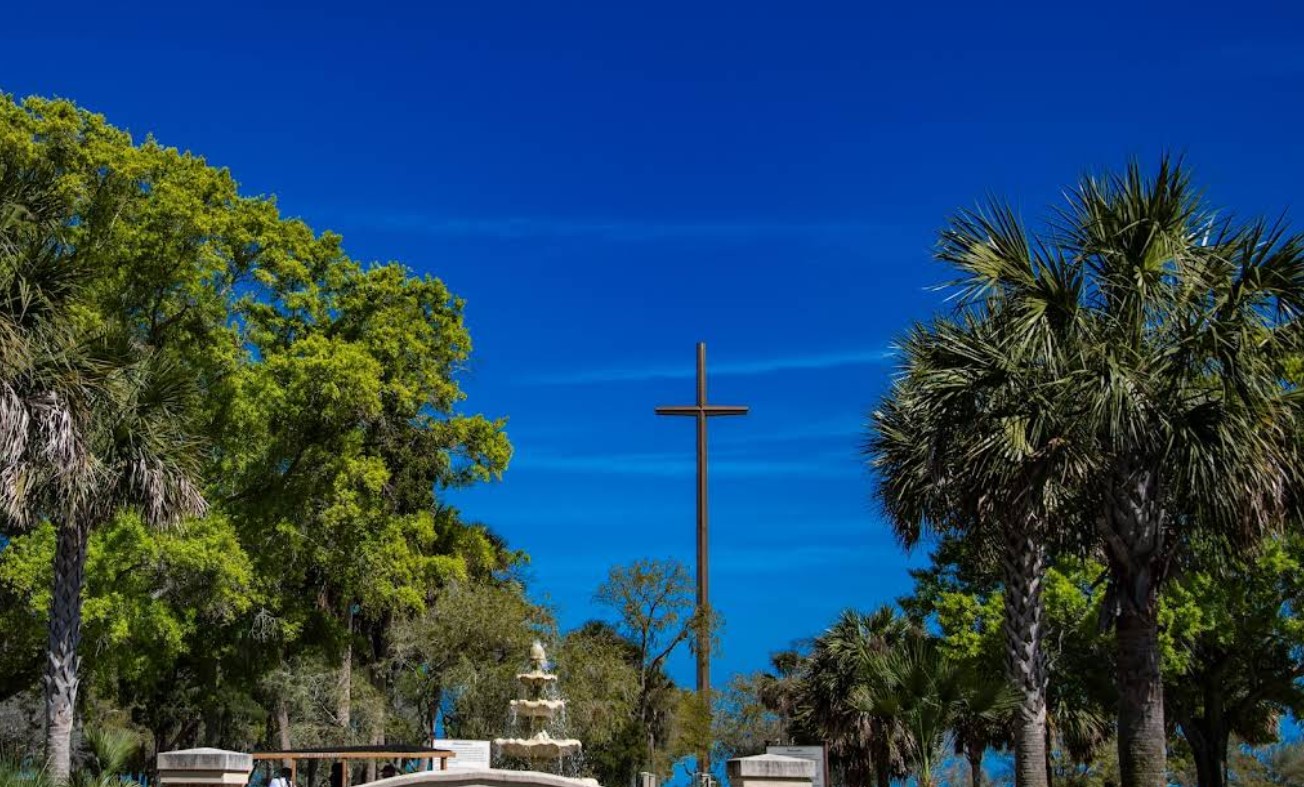
As I approached The Great Cross in St. Augustine, I was immediately struck by its towering presence. At 208 feet tall, it stands like a sentinel over the landscape, visible from miles away. This enormous cross, one of the tallest in the world, seemed to touch the sky, its gleaming surface reflecting the Florida sun in a way that made it almost ethereal. I had seen pictures of it before my visit, but nothing could have prepared me for the impact of standing beneath it, looking up at this monument that symbolized so much history, faith, and endurance.
St. Augustine The Historical Significance of Mission Nombre de Dios
The cross is located on the grounds of the Mission Nombre de Dios, which in itself is a place steeped in historical significance. It marks the spot where, in 1565, the first Catholic Mass was celebrated on what is now U.S. soil. Standing there, I could almost imagine the scene centuries ago when Spanish settlers, led by Pedro Menéndez de Avilés, landed here and began their new life in this foreign land. The cross feels like more than just a marker of history—it’s a testament to the faith and perseverance of those early settlers, who brought their beliefs and hopes to the New World.
As I walked around the base of the cross, I took in the beauty of the surrounding grounds. The lush greenery and peaceful gardens created a serene atmosphere, perfect for reflection. It wasn’t just a historical experience—it was deeply personal. The cross, rising above the quiet grounds, seemed to invite contemplation, and I found myself thinking about the long history of the area and how this symbol of faith has stood the test of time.
St. Augustine The Great Cross as a Symbol of Cultural Blending
The Great Cross is also a powerful reminder of the blending of cultures that took place here in St. Augustine. The Spanish settlers brought their Catholic faith with them, and this cross marks not only the beginning of their mission but also the beginning of a new cultural era in the Americas. It represents more than just religion; it symbolizes the melding of peoples, the spread of ideas, and the enduring impact of those early interactions on the future of Florida and the United States.
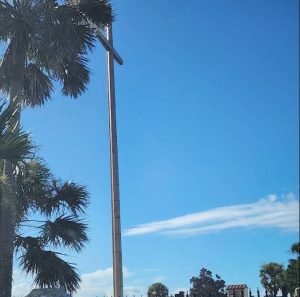
The quietness of the place made my visit feel almost spiritual, even though I wasn’t there for religious reasons. Other visitors seemed to feel the same—many stood in quiet reverence, some with their heads bowed in prayer or reflection. It’s impossible not to feel moved by the sheer scale of the cross and the depth of the history it represents. The air seemed heavier here, not in a suffocating way, but in a way that made me feel the weight of the centuries that had passed since the first settlers arrived.
As I stood there, I thought about how the cross has weathered storms, both literal and metaphorical. Hurricanes have battered this coast, yet the cross remains, much like the city of St. Augustine itself, which has endured through centuries of change, war, and evolution. There’s something profoundly comforting in that resilience, in knowing that this symbol of faith and endurance continues to stand tall, welcoming visitors from all walks of life.
Before leaving, I sat for a while on a bench near the cross, soaking in the peaceful surroundings. The gentle breeze from the nearby Matanzas River, the rustling of leaves, and the distant sounds of birds all added to the sense of tranquility. I felt a sense of gratitude for the experience—this wasn’t just another tourist stop; it was a moment of quiet reflection, a chance to connect with a piece of history in a meaningful way.
As I left, I couldn’t help but look back at The Great Cross one last time, its silhouette framed against the bright sky. It had left a lasting impression on me, not just for its grandeur but for the sense of peace and reflection it had brought to my day. Visiting The Great Cross wasn’t just about seeing a historical landmark—it was about feeling a connection to the past and appreciating the enduring power of faith, resilience, and hope.