The Statue of David
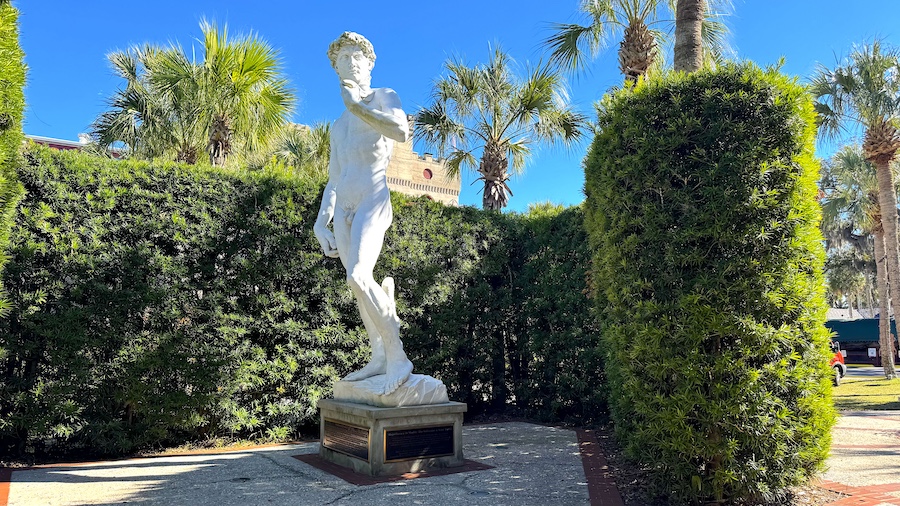
Visiting the Statue of David in Florence was an unforgettable experience, one that left me in awe of both the artistry and the history behind it. As I approached the Galleria dell’Accademia, I could feel the anticipation building, knowing I was about to see one of the most iconic sculptures in the world. The museum itself was buzzing with tourists, but there was a certain reverence in the air, as if everyone knew they were about to witness something truly extraordinary.
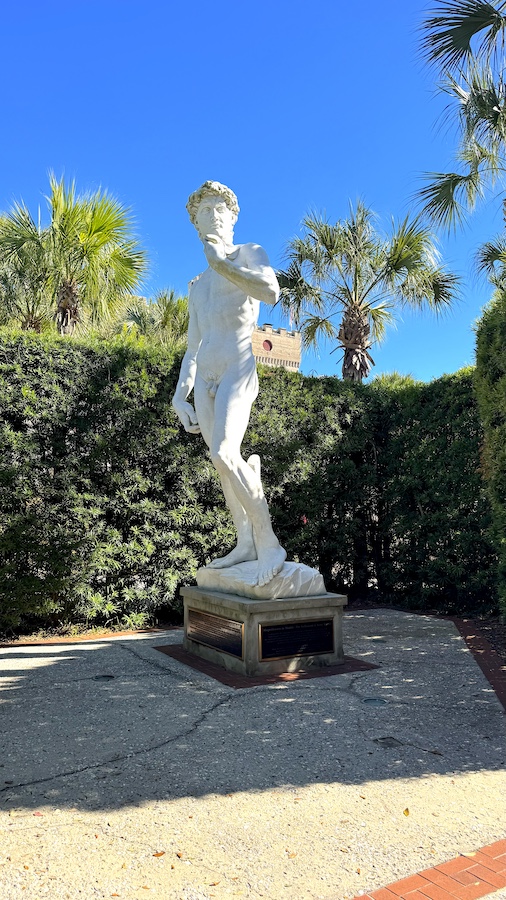
St. Augustine Awe-Inspiring Presence of Michelangelo’s David
As I entered the gallery where David stands, the first thing that struck me was the sheer size of the statue. At over 17 feet tall, it is far larger than I had imagined, and seeing it in person is completely different from looking at photos. The scale of David is imposing, yet somehow graceful, commanding attention in the center of the room. It’s impossible to look at it without feeling a sense of wonder at the skill and vision it took to create such a masterpiece from a single block of marble.
Michelangelo’s attention to detail is staggering. I found myself drawn in by the intricate carving of the muscles, veins, and the tension in David’s posture, all of which make the statue feel almost alive. His expression, a mix of calm confidence and focused determination, adds an emotional depth that is hard to describe. It’s as though David is standing right on the edge of battle, perfectly poised, yet thoughtful. Every angle of the statue offers something new to discover, and I found myself walking around it several times, trying to take it all in.
St. Augustine The Historical Significance of Michelangelo’s David
What makes the experience so remarkable is knowing the story behind the statue. Michelangelo created David between 1501 and 1504, at a time when Florence was a republic under constant threat of invasion. The statue was originally intended to be part of a series of prophets for the Florence Cathedral, but its powerful presence led to it being placed in a public square as a symbol of the city’s strength and resilience. Knowing that history as I stood there gave the sculpture even more weight. It’s not just a work of art; it’s a representation of an entire city’s pride and spirit.
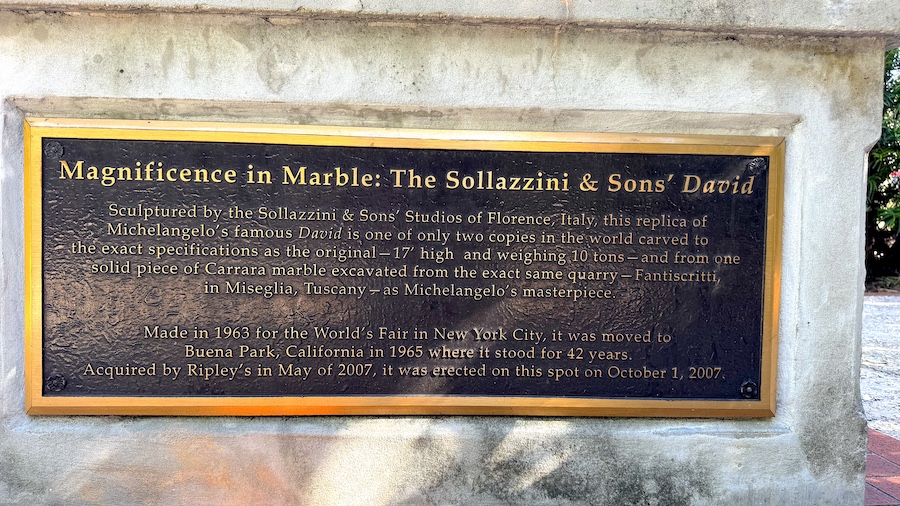
I couldn’t help but think about the challenges Michelangelo must have faced while working on David. He was only 26 years old when he took on the commission, and the marble block he used had been rejected by other sculptors. To imagine that from that flawed block, he was able to carve something so perfect, so lifelike, is astonishing. It gave me a new appreciation for the artist’s genius and for the time and effort it must have taken to bring David to life.
If you ever have the chance to visit Florence, the Statue of David is something you absolutely cannot miss. No photograph or replica can capture the awe-inspiring presence of the real thing. It’s a moment that stays with you, long after you’ve left the gallery, reminding you of the incredible heights human creativity can reach. For me, it was more than just a sightseeing stop—it was an experience that deepened my appreciation for art, history, and the enduring legacy of Michelangelo’s genius.