The Old City Gates
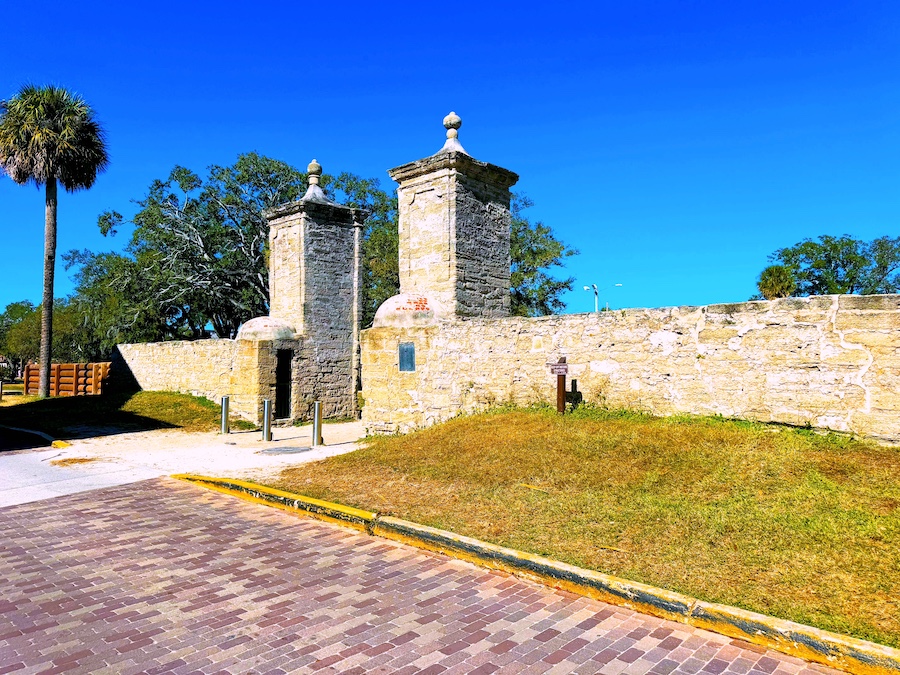
Nestled within the heart of St. Augustine, Florida, stands a monument of historic grandeur: the Old City Gates. These gates, guarding the entrance to one of the oldest cities in the United States, evoke a deep sense of reverence and reflection. They are more than just architectural remnants from the past—they are iconic symbols of a rich cultural legacy, embodying the resilience, fortitude, and enduring spirit of a city deeply tied to its colonial roots.
The Old City Gates A Historic Defense Against Invaders in St. Augustine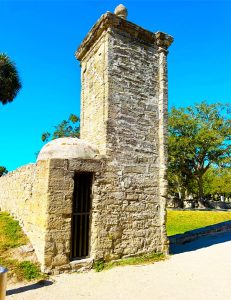
Constructed in 1808, the Old City Gates were originally part of a defensive wall system designed to protect St. Augustine from invaders. Their imposing presence at the northern boundary of the city served as a safeguard, with a mission far beyond simply marking the entrance to the historic district. These gates were a bulwark, standing between the Spanish settlers of St. Augustine and the external threats posed by Native American tribes, British forces, and pirates seeking to plunder and conquer.
The Old City Gates, a crucial part of this military infrastructure, were built from coquina—a sedimentary rock formed from compressed shell and coral, which was abundant in the region. This material, although seemingly fragile, proved to be remarkably durable and resilient, offering protection against cannon fire and the relentless coastal weather.
Today, the Old City Gates no longer stand as functional military defenses, yet their historical significance endures. The two pillars that remain are a testament to centuries of change. Originally part of a larger defensive structure called the Cubo Line, the gates were linked by an earthen wall with a moat. Soldiers stationed at the gates regulated entry into the city, requiring citizens and visitors alike to pass through this fortified entry point.
Silent Witnesses to St. Augustine’s Tumultuous Past The Old City Gates
During their early years, the gates witnessed many significant moments in history. They saw the arrival of Spanish settlers, the brief British occupation of St. Augustine from 1763 to 1783, and the return of Spanish rule before the city was eventually ceded to the United States in 1821. They also stood watch during conflicts such as the Revolutionary War and the Seminole Wars, reminding passersby of the strategic importance of this once heavily fortified city.
Beyond their military history, the gates also represent a confluence of cultures. St. Augustine’s history is marked by a blending of Spanish, British, Native American, and African influences, all of which have left indelible marks on the city’s cultural landscape. The Old City Gates, while symbolizing Spanish colonial power, also speak to the complexities of life in a city where cultures often clashed but also coexisted.
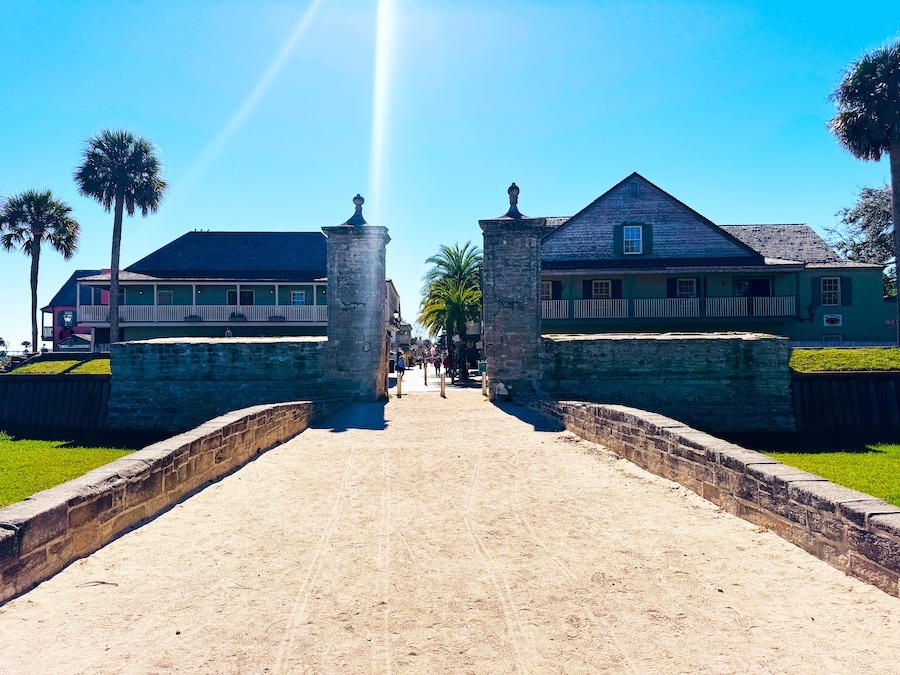
While the Old City Gates may no longer serve as a barrier to invasion, they continue to act as a gateway to history. Their endurance is a testament to the resilience of St. Augustine itself. The city has survived sieges, hurricanes, and the changing tides of time, and yet it stands today as one of the most cherished historic destinations in the United States.
In 1970, the gates were designated as a National Historic Landmark, cementing their status as a treasured part of American heritage. Their preservation is a key part of ongoing efforts to maintain St. Augustine’s rich history, ensuring that future generations can experience and appreciate this tangible link to the past.