The Lightner Museum: A Historical Gem in St. Augustine
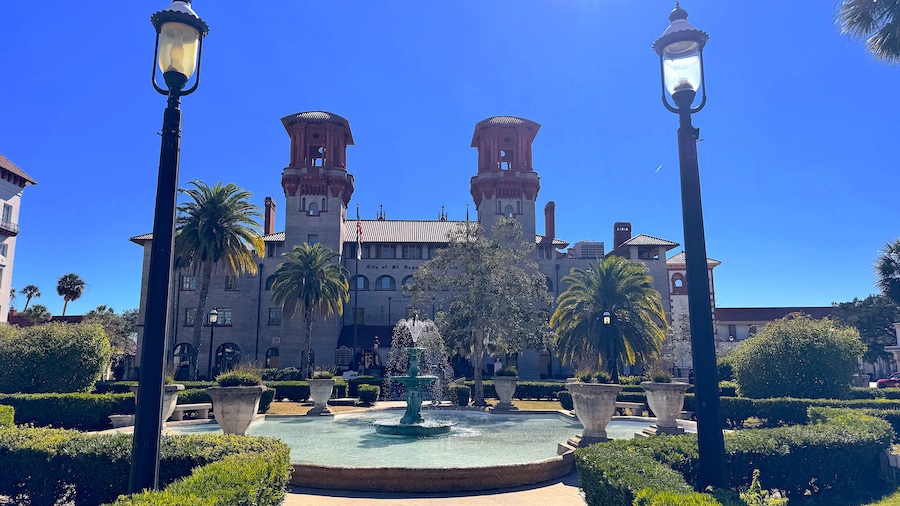
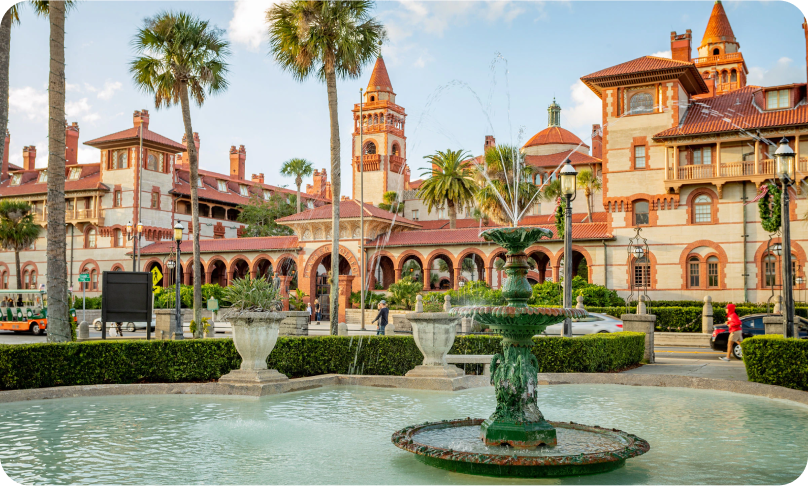
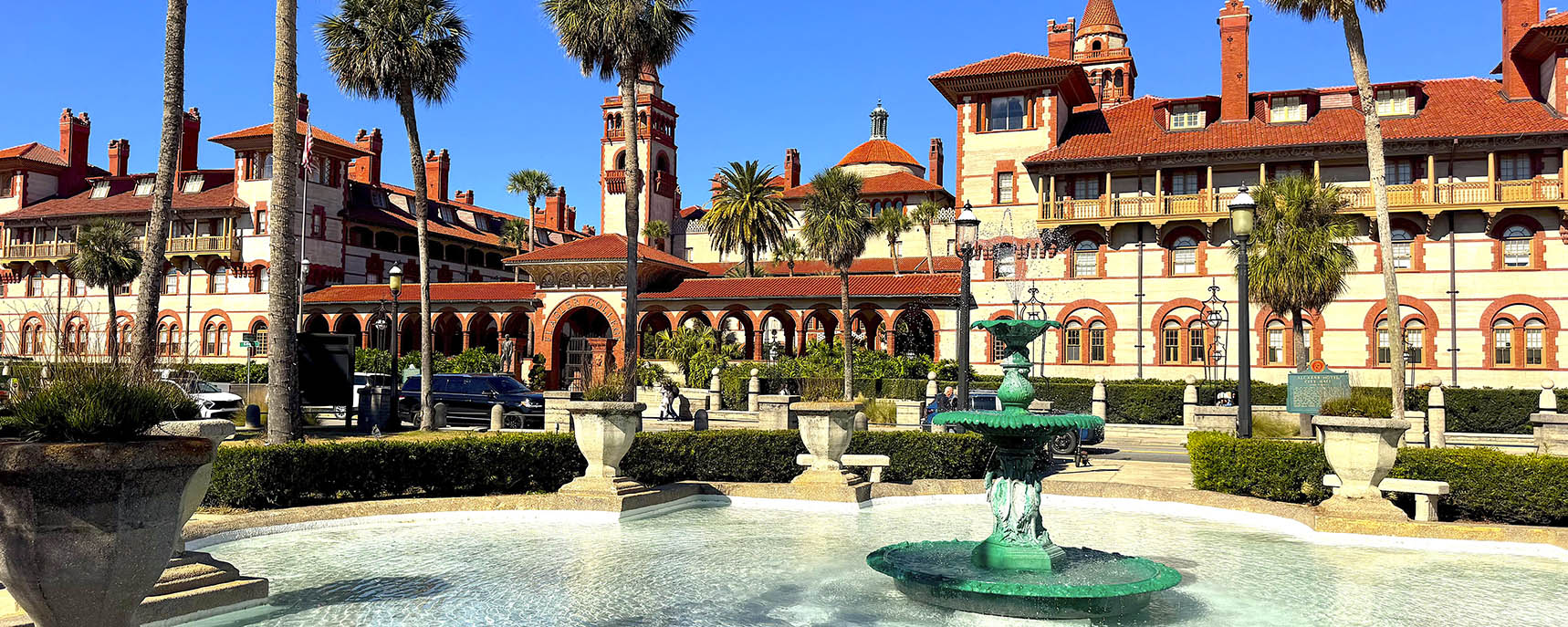
Located in the heart of historic St. Augustine, the Lightner Museum is housed in the former Hotel Alcazar, a Gilded Age resort commissioned by Henry Flagler, a prominent Standard Oil executive and developer of Florida’s East Coast. Completed in 1888, the Hotel Alcazar was a stunning example of Spanish Renaissance Revival architecture, designed by the famous architecture firm Carrère and Hastings. Today, the Lightner Museum stands as a testament to St. Augustine’s rich history and cultural heritage, offering visitors a unique blend of art, history, and luxury.
A New American Riviera: Henry Flagler’s Vision for Modern Florida
From the 1880s to the early 20th century, Henry Flagler devoted himself to transforming Florida’s East Coast into a world-class destination for the wealthy elite. Born in 1830 in Hopewell, NY, Flagler made his fortune as a founding partner of Standard Oil alongside John D. Rockefeller, leading the company to great success. After withdrawing from the daily operations of Standard Oil, Flagler turned his focus to Florida, which he first visited in 1878 with his wife, Mary Harkness Flagler, who had been advised by her physician to escape the cold northern climate for health reasons.
During his initial visit, Flagler saw immense potential for development in Florida but recognized the state’s lack of hotels and transportation infrastructure. Determined to change this, Flagler embarked on a mission to transform Florida into a luxurious winter resort destination for wealthy travelers. His first project was the Hotel Ponce de Leon, which opened in 1888 and quickly became a success. The Hotel Alcazar, located next door, followed soon after, further solidifying St. Augustine as a premier destination for the elite.
The Hotel Alcazar: Luxury and Wellness in St. Augustine
The Hotel Alcazar was more than just a place to stay—it was a haven of health, wellness, and luxury. Designed by Carrère and Hastings, the hotel featured state-of-the-art amenities for its time, including the world’s largest indoor swimming pool, Turkish baths, a steam room, a gymnasium, and a casino. The Alcazar attracted guests who wanted to escape the harsh winters of the North and indulge in the lavish offerings of the Florida resort lifestyle.
Flagler’s development of the Florida East Coast Railroad further enhanced accessibility to the region, bringing in wealthy visitors from across the country to enjoy the grandeur of his hotels. With the success of the Alcazar and Ponce de Leon, Flagler expanded his reach, developing hotels in Palm Beach, Miami, and Key West, each designed to offer unparalleled luxury to travelers.
From Hotel to Museum: The Birth of the Lightner Museum
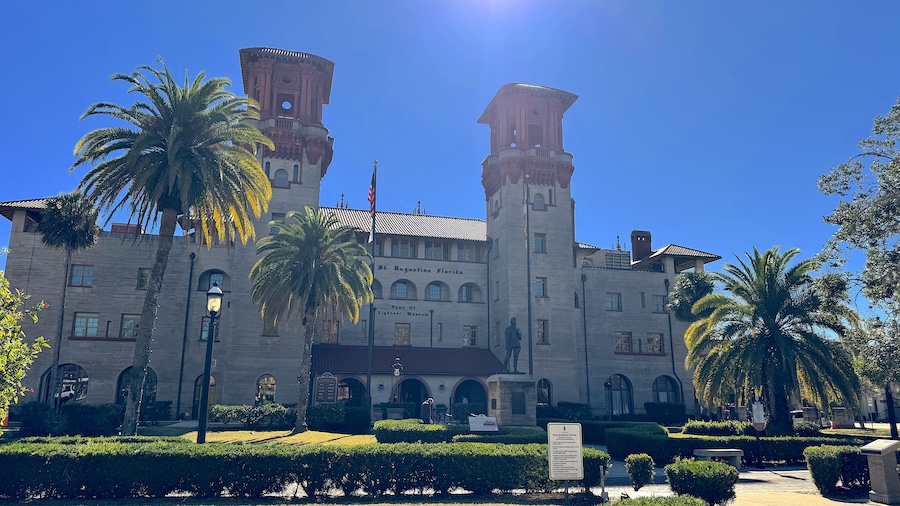
After nearly four decades as a luxury hotel, the Hotel Alcazar closed its doors in 1931 following the economic impact of the Great Depression. The building remained shuttered until it was purchased in 1946 by Otto C. Lightner, a Midwestern publisher and avid collector. Lightner, born in 1887 in Norwich, Kansas, was passionate about hobbies and collecting, and he founded Hobbies—The Magazine for Collectors to promote the joy of collecting among Americans. During the Great Depression, Lightner acquired a vast collection of art, antiques, and furnishings from Chicago’s grandest Gilded Age mansions.
After visiting St. Augustine and staying at the Hotel Ponce de Leon, Lightner purchased the former Hotel Alcazar to serve as the permanent home for his extensive collection. In 1948, the Lightner Museum of Hobbies opened to the public, showcasing a diverse array of items, from fine art to everyday objects, illustrating the richness of collecting.
The Lightner Museum Today
Today, the Lightner Museum offers visitors a captivating look at the Gilded Age through its vast collection of art, antiques, and historical artifacts. The museum’s exhibits span a wide range of interests, from paintings and sculptures to decorative arts and everyday objects that provide insight into life during the late 19th and early 20th centuries.
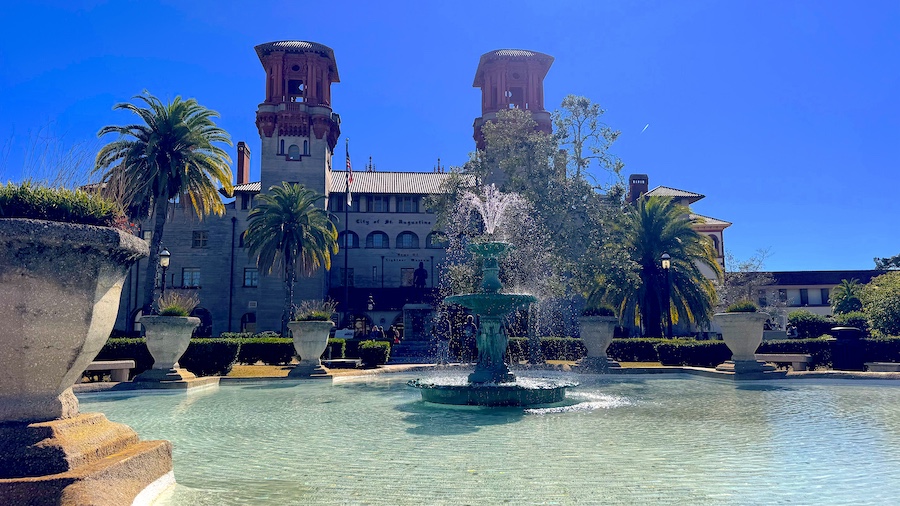
The museum itself is a work of art, with its grand Spanish Renaissance Revival architecture and lush courtyards, inviting visitors to explore the history and culture of St. Augustine in an elegant setting. Among the highlights of the museum are its original Hotel Alcazar furnishings, Gilded Age artifacts, and rare collections of vintage mechanical instruments, glasswork, and textiles.
Visitors can explore the self-guided tours or attend special events and exhibitions that delve deeper into various aspects of the museum’s collection. The Lightner Museum is not only a place to admire art and history but also a living reminder of Henry Flagler’s enduring legacy in shaping modern Florida.
Highlights of the Lightner Museum:
- Hotel Alcazar Architecture: Admire the exquisite Spanish Renaissance Revival design by Carrère and Hastings, including the grand courtyards and historic hotel interiors.
- Gilded Age Collections: Discover an eclectic array of items from the Gilded Age, including fine art, Victorian glassware, rare instruments, and antique furnishings.
- Historic Exhibits: Learn about the life of Henry Flagler, the development of St. Augustine, and the hotel’s transformation into a world-class museum.
- Special Events and Exhibitions: The museum hosts a variety of rotating exhibits and educational programs that offer deeper insights into its diverse collection.
Plan Your Visit
The Lightner Museum is a must-see destination for anyone visiting St. Augustine, offering a unique glimpse into the opulence and grandeur of the Gilded Age. Whether you’re an art lover, history enthusiast, or simply curious about the city’s past, the Lightner Museum provides an unforgettable experience.
- Location: 75 King St., St. Augustine, Florida 32084
- Admission: Visit the museum’s website for ticket prices and special offers.
- Hours: Open daily from 9:00 a.m. to 5:00 p.m.
Experience the beauty, history, and culture of St. Augustine at the Lightner Museum, where the past comes to life in one of the most stunning architectural landmarks in the city.