Colonial Quarter in St. Augustine
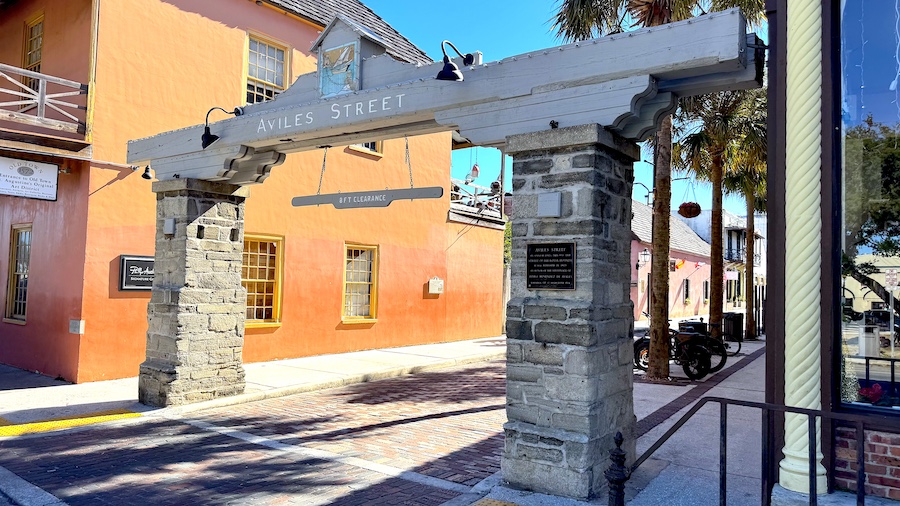
Walking through the Colonial Quarter in St. Augustine felt like stepping back in time. As soon as I entered this meticulously recreated historic district, I was transported to a world where Spanish soldiers, settlers, and craftsmen went about their daily lives in the 16th, 17th, and 18th centuries. The Colonial Quarter is not just a museum—it’s a living history experience where the sights, sounds, and smells of St. Augustine’s colonial past come alive in an immersive way.
Stepping Back in Time Experiencing History at St. Augustine’s Colonial Quarter
What struck me most about the Colonial Quarter was how much history came alive. It’s one thing to read about colonial times in books, but it’s another to physically stand in the same kind of environment that existed hundreds of years ago. The immersive experience made the history of St. Augustine feel more tangible and relatable. I left the Colonial Quarter with a deeper understanding of the city’s role in colonial America, and how its unique blend of Spanish, British, and American influences shaped it into the culturally rich city it is today.
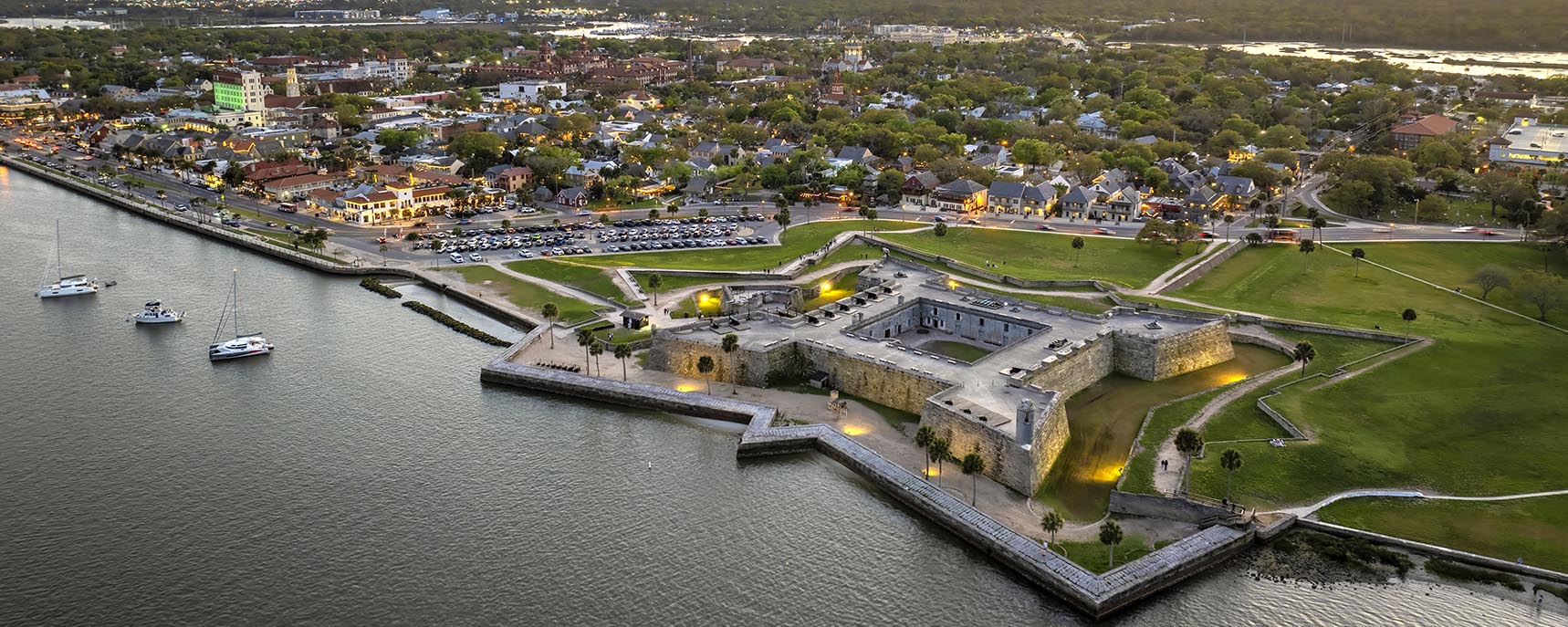
Another memorable experience was climbing the replica 35-foot watchtower. From the top, I had a panoramic view of the Matanzas River and the historic city. It wasn’t hard to imagine Spanish sentinels standing watch, scanning the horizon for enemy ships or storms. The view also helped me understand why St. Augustine was such an important military outpost for Spain—its strategic position on the coast made it a key point of defense.
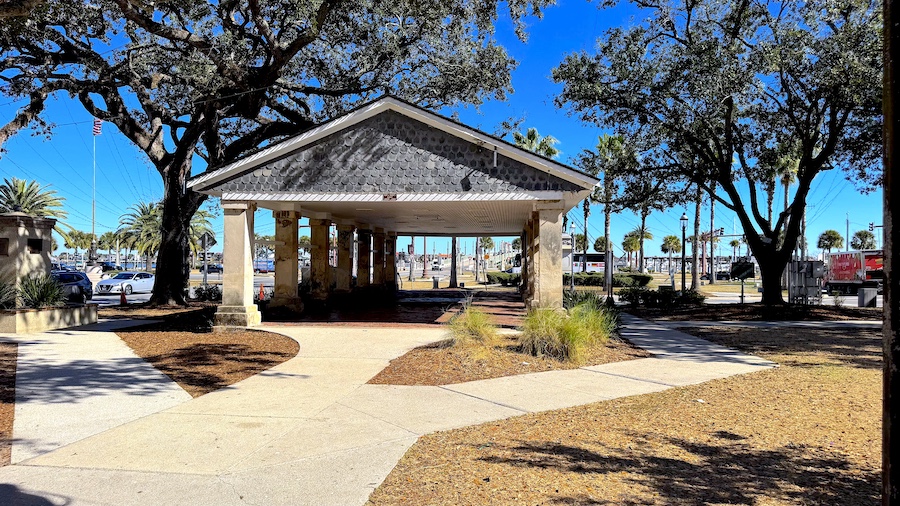
Exploring the British Influence Uncovering St. Augustine’s Colonial Quarter
The Colonial Quarter also delves into the influence of British rule, which came after Spain ceded Florida in the 1760s. Walking through the British-era section, I learned about how life in St. Augustine changed under British control. The colonists adopted different building styles and customs, blending Spanish traditions with English influences, which added another layer of complexity to the city’s long history. I was fascinated by the evolution of architecture and culture over the centuries, and how these changes were reflected in the streets and structures around me.
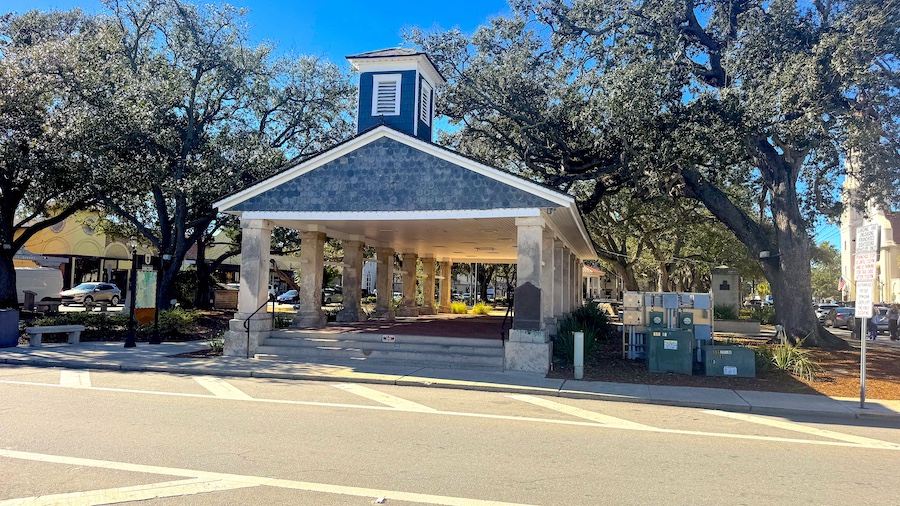
What makes the Colonial Quarter particularly engaging is the interactivity. I was encouraged to try my hand at colonial activities—like using a musket! Under the supervision of an instructor, I learned how to load and fire a replica musket, which was an incredible way to connect with history. The weight of the musket and the slow, deliberate process of firing gave me a sense of how difficult and slow-paced battles must have been back then. It was thrilling and humbling at the same time.
As I continued to explore, I discovered the small taverns and shops that dotted the Quarter, offering a glimpse into colonial commerce and cuisine. In one corner, a re-enactor was making leather goods, explaining how every piece was handmade and essential to everyday life in the settlement. Nearby, I saw a weaver at work, her hands skillfully guiding thread through a loom. The level of craftsmanship on display throughout the Colonial Quarter was impressive, and I couldn’t help but appreciate the labor-intensive lifestyle of the settlers.
For any history enthusiast, or even just someone looking for a fun and educational way to spend the day, the Colonial Quarter is a must-visit. Whether you’re climbing the watchtower, watching a blacksmith at work, or hearing the blast of a musket, every moment feels like a journey through time. It’s a rare opportunity to experience the layers of history that make St. Augustine so special, and I left with a newfound appreciation for this remarkable city.